Local Food in Corfu: The Complete Culinary Guide to Must-Try Dishes and Where to Eat Them
A complete culinary guide to the must-try local dishes in Corfu — pastitsada, sofrito, bourdeto, and kumquat — and where locals actually go to eat them.

Corfu is not just another Greek island serving Greek salad and souvlaki. The cuisine of this island is a story unto itself — a rare blend of Venetian, Greek, and local influences that took shape over four hundred years of Venetian rule. Anyone who visits Corfu and settles for a gyros near the port is simply missing the real thing. After years of culinary exploration on the island, visits to remote mountain tavernas, and conversations with local cooks, we've gathered everything you need to know about local food in Corfu — the dishes, the flavors, and most importantly: where to eat them right.
Key Takeaways
- Corfu's cuisine is unique because of its Venetian influence — dishes like pastitsada, sofrito, and bourdeto simply don't exist elsewhere in Greece.
- The kumquat is a culinary symbol of the island — from liqueur to sweets, it's a fruit worth tasting and taking home as a souvenir.
- The best tavernas are in the inland villages, not on the main street in Corfu Town.
- Greek mealtimes are late — a proper dinner doesn't start until after 9:00 PM.
- A guided food tour is the fastest way to understand the island's culinary culture without wasting meals on touristy spots.
Why Food in Corfu Is Different from Anywhere Else in Greece
To understand what's on the plate, you need to understand the history. Unlike most of Greece, which fell under Ottoman rule, Corfu was never conquered by the Ottoman Empire. Instead, the island was governed by the Republic of Venice for roughly 400 years. The result is a cuisine that blends Italian techniques — long slow cooking in sauce, the use of pasta, unexpected spices — with local Greek ingredients: outstanding olive oil, mountain herbs, fresh fish, and seasonal vegetables.
The words themselves give away the origin: "pastitsada" comes from the Italian word pasticcio, "sofrito" is a distinctly Italian term, and "bourdeto" is related to the Italian brodetto. This is no coincidence — it's a complete culinary DNA. When you sit in a mountain village taverna and taste pastitsada, you are, in a very real sense, tasting the history of the island.
Insider tip: These traditional dishes require hours of cooking, so not every restaurant prepares them every day. Many local tavernas serve pastitsada or sofrito only on certain days of the week. It's worth asking ahead, or choosing a place where that dish is their signature specialty.
Pastitsada — The Queen of Corfu's Dishes
If you try only one dish in Corfu, make it this one. Pastitsada is a rich meat stew — typically beef or turkey, and traditionally also rooster — slow-cooked for hours in a thick tomato sauce with onion, garlic, and a unique spice blend that includes cloves and cinnamon. The sauce is served over a particularly thick pasta called "pastitsada macaroni," a kind of large hollow bucatini that absorbs the sauce perfectly.
The first taste surprises you. The cinnamon and cloves give the meat sauce a warm, subtly sweet depth you don't expect — but after the second bite, you understand the genius. This is a dish that feels like a hug: rich, aromatic, and deeply comforting.
Where to eat it: Some of the best pastitsada worth seeking out can be found in the tavernas of mountain villages like Pelekas and the village of Lakones, which overlooks the Paleokastritsa bay. The cooking at these spots is slow and homemade. In Corfu Town itself, look for tavernas tucked into the side streets of the Campiello — the old Venetian quarter — rather than restaurants with laminated photo menus on the main drag.
When to go: Pastitsada is a hearty, wintry dish by nature. It's perfect for a late lunch or a cool evening. In the height of summer it's a bit heavy, but still absolutely worth having.
Sofrito and Bourdeto — The Venetian Classics
Sofrito is a dish that embodies the refined simplicity of Corfiot cooking. Thin slices of veal are lightly pan-fried and then braised in a white sauce of garlic, white vinegar, white wine, and fresh parsley. There are no tomatoes whatsoever — and that's exactly what makes it special. The flavor is sharp, fresh, and gently tangy, beautifully balanced. It's typically served with mashed potatoes or rice to soak up the sauce.
Bourdeto is the dish for seafood lovers and those who like heat. Fish — traditionally scorpionfish — is cooked in an intense red sauce of hot paprika, onion, and olive oil. This is a bold, spicy, character-filled dish that reflects the island's deep connection to the sea. Every taverna adjusts the heat level differently, so if you're sensitive to spice, ask before you order.
A quick comparison of the three key dishes:
- Pastitsada: Meat in a spiced tomato sauce with pasta — rich and warming, appeals to everyone.
- Sofrito: Veal in a tangy white garlic-and-wine sauce — delicate and sophisticated, no tomatoes.
- Bourdeto: Fish in a spicy red sauce — bold and punchy, for lovers of strong flavors and seafood.
Insider tip: If you're dining as a couple or with friends, order all three dishes and share. That way you get the full picture of local cuisine in a single meal. Add a plate of seasonal vegetables braised in olive oil (ladera) and you've got yourself a perfect Corfiot dinner.
Kumquat — The Taste Symbol of Corfu
You can't talk about local food in Corfu without the kumquat. This tiny citrus fruit, originally from China, was brought to the island over 150 years ago and found a perfect home here thanks to the climate. The kumquat looks like a miniature orange, but you eat it whole — skin and all — with the rind being sweet and the flesh tart. The combination is unusual and genuinely surprising.
In Corfu, the kumquat has become a charming small industry: kumquat liqueur (the pink-orange bottle is a classic souvenir), jams, candied sweets, hard candies, and even kumquat ice cream and chocolate. You'll find these products in every souvenir shop on the island.
Where to find it: The village of Nymfes in the northern part of the island is the heart of kumquat cultivation, and there you'll find small local distilleries. In Corfu Town itself, there are specialty shops near Nikiforos Theotokis Street. It's also worth trying a small glass of kumquat liqueur as a digestif after a meal — many tavernas will offer you a complimentary shot at the end, which is a lovely local custom.
Common mistake: Buying liqueur at inflated prices from shops right next to the cruise port. It's better to buy from shops in the inner town or directly from the village distilleries.
Street Food, Pastries, and Between-Meal Bites
Not everything revolves around a table at a taverna. Corfu also has a rich local snacking culture worth getting to know between meals.
Bougatsa — a flaky phyllo pastry filled with sweet cream or cheese, perfect for breakfast with a coffee. You'll find it at traditional bakeries around town.
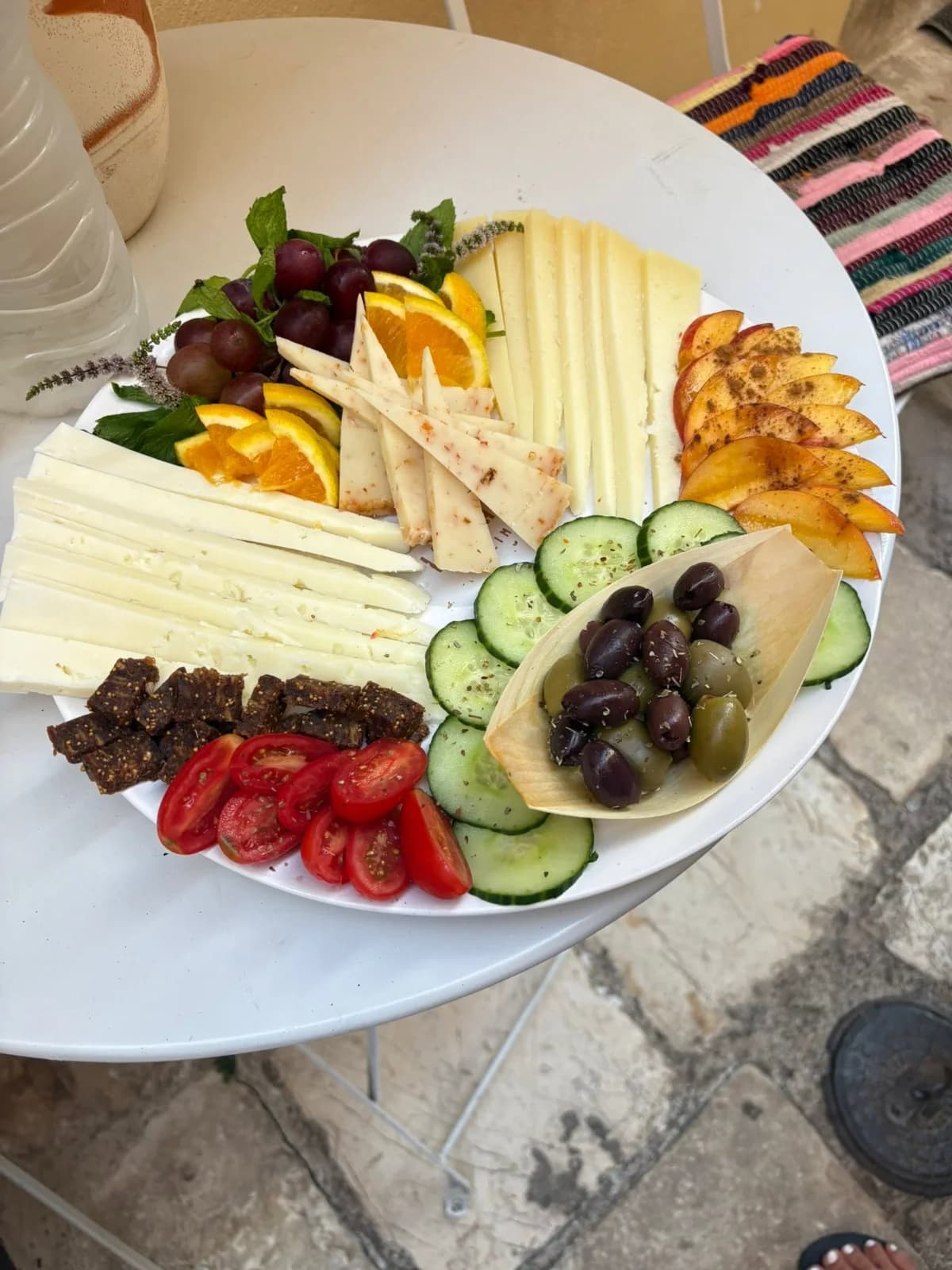
Sykomaida — a pressed cake of dried figs, an ancient rural preparation still made in the countryside. Perfect with a glass of local wine.
Olives and olive oil — Corfu is blanketed with millions of ancient olive trees planted during the Venetian era. The local olive oil is outstanding, and it's well worth tasting and buying a bottle directly from a producer.
Local cheeses — look for local sheep's and goat's milk cheeses at the markets. At Corfu Town's municipal market (near the Old Fortress) you'll find stalls selling authentic local products.
Insider tip: Visit the municipal market early in the morning, around 8:00–9:00 AM, when the fresh catch arrives and the local atmosphere is at its peak. It's a free experience that teaches you a great deal about what people actually eat on the island. If you want a deeper dive, our guided food tours take you to exactly these kinds of places with behind-the-scenes context.
Where to Eat — From the City to the Mountain Villages
The golden rule of eating in Corfu: the farther you get from the main tourist strip, the better the food and the lower the prices. Here's a breakdown of where to go by area:
In Corfu Town: The Venetian quarter of Campiello is full of winding alleyways where authentic family-run tavernas hide. Look for places where locals are sitting; a menu printed in English or multiple languages is actually not a good sign, nor is a name written in Latin script. The Spianada area and the streets behind the Liston — the famous arcaded promenade built in the style of Paris's Rue de Rivoli — offer atmosphere but less authenticity.
The mountain villages: This is where the real gold is. In the village of Lakones, you'll find tavernas with breathtaking views over Paleokastritsa bay and genuine home-cooked food. The village of Pelekas offers excellent food in a calm, rural atmosphere. The village of Agios Mattheos is well known for its authentic country tavernas serving traditional meat dishes.
The northern coastal villages: In the picturesque fishing village of Kassiopi and the surrounding area you'll find excellent fish tavernas with fresh daily catch. It's worth combining a culinary visit there with a day out on a boat tour along the coast.
Quick orientation guide:
- For fresh fish: The fishing villages in the north and west (Kassiopi, Paleokastritsa).
- For traditional meat dishes (pastitsada/sofrito): The inland mountain villages (Lakones, Agios Mattheos).
- For atmosphere and coffee: The Liston and the alleyways of the Old Town.
- For buying local products: The municipal market and the kumquat shops in town.
What to avoid: Restaurants with touts standing outside urging you to come in, menus with large colorful photos, and places located directly next to the busiest tourist attractions. These are almost always more expensive and less authentic.
How to Eat Like a Local — Hours, Customs, and Tips
Greek food culture is different from what many visitors are used to, and knowing the unwritten codes helps you experience it properly.
Mealtimes: Greeks eat late. Lunch is between 2:00 PM and 4:00 PM, and dinner typically doesn't start until after 9:00 PM. If you arrive at a local taverna at 7:00 PM, you may well have the place entirely to yourself. That's not necessarily a problem — but if you want the atmosphere, come later.
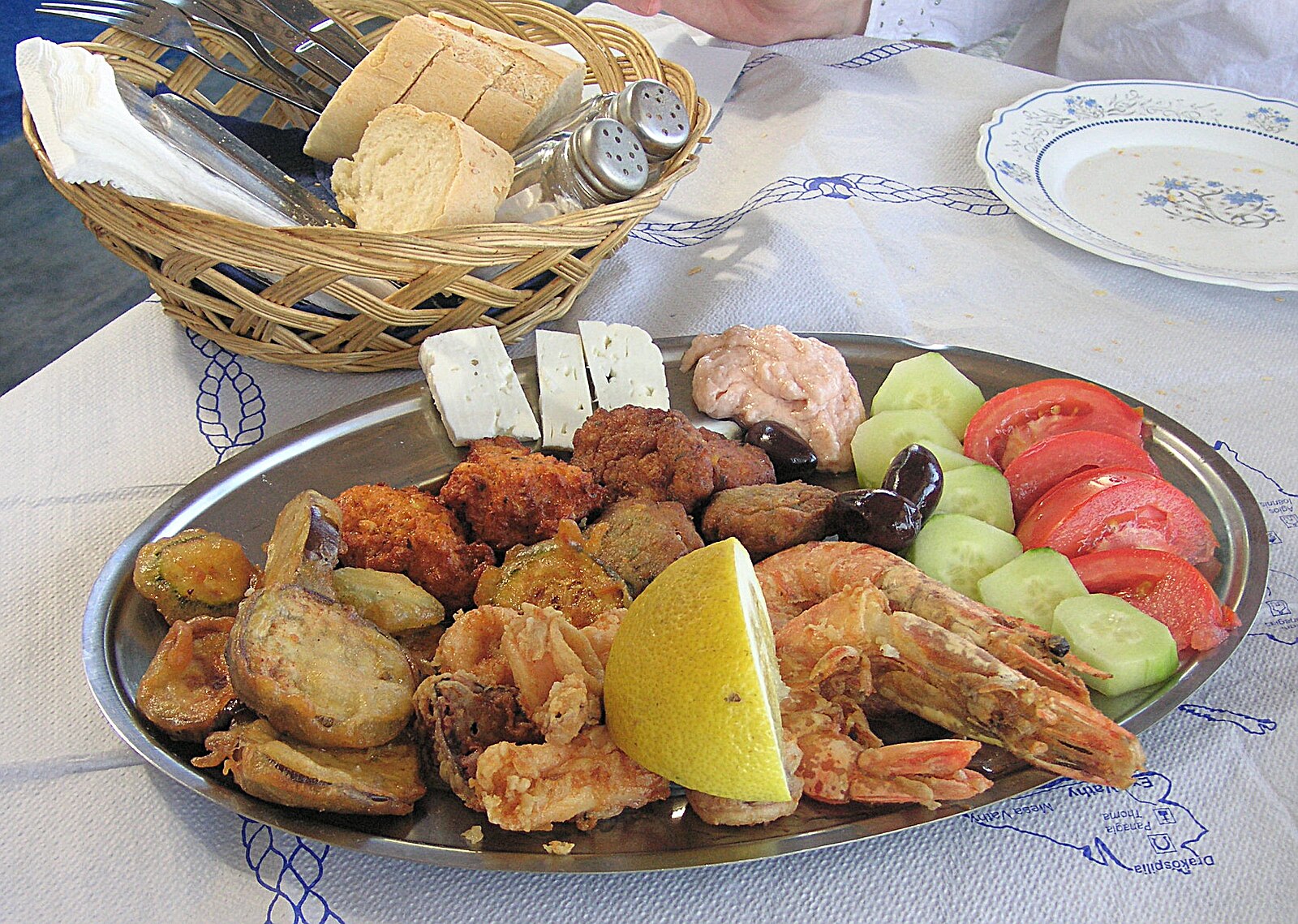
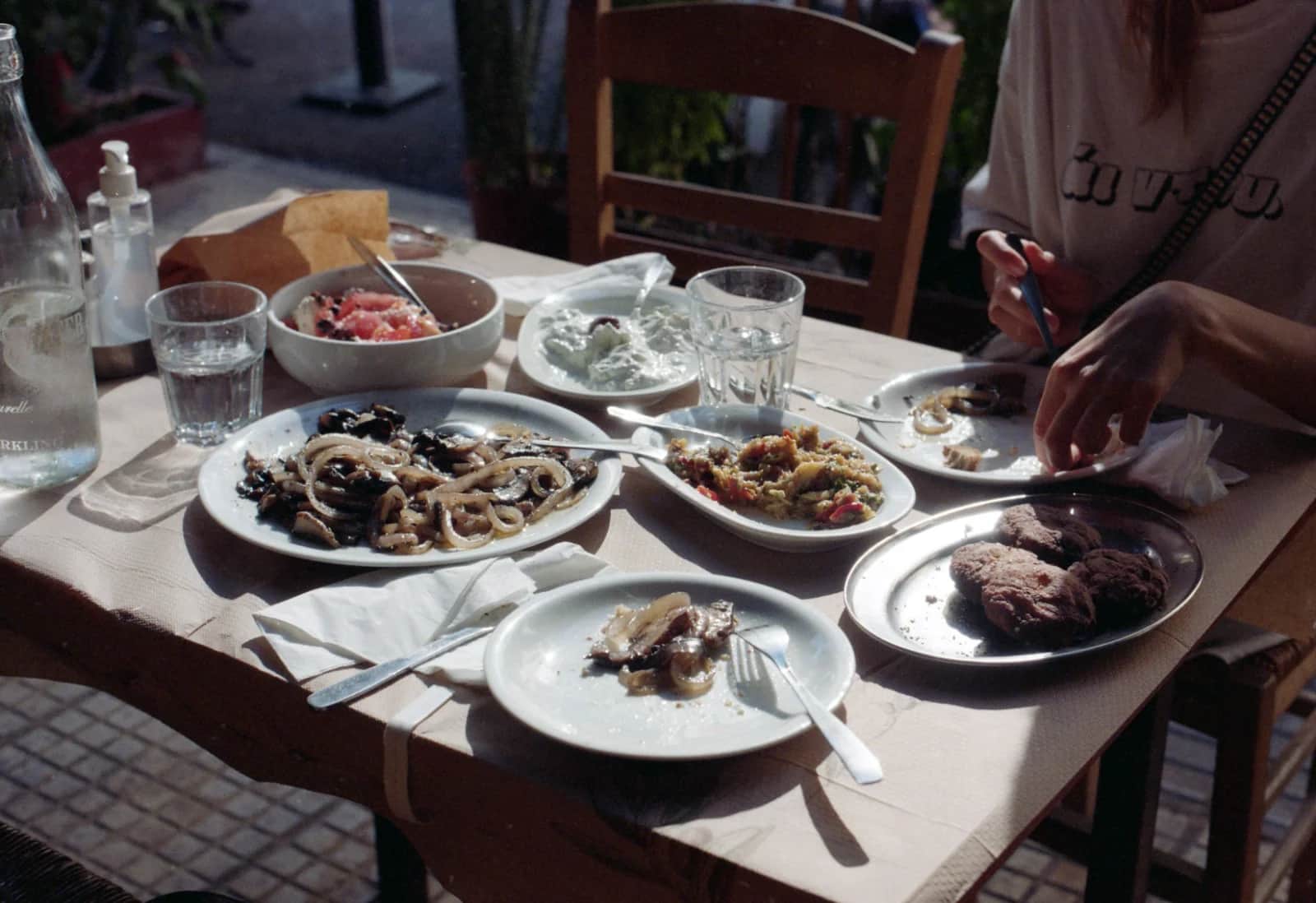
Ordering and sharing: The Greek way is to order many small dishes (mezedes) and share everything. Don't order a starter and a main course for each person separately — order a spread of salads, vegetables, fish, and meat and put it all in the center of the table.
Bread and water: Many places will charge a small cover charge for bread — this is normal and standard practice.
Pacing yourself: A real Greek meal is not a half-hour affair. Allow at least an hour and a half to two hours, and let yourself surrender to the unhurried rhythm. No one will rush you, and that's part of the beauty.
Greek coffee: End your meal with a traditional Greek coffee (not to be confused with the cold frappé) or a small glass of kumquat liqueur. It's the perfect full stop.
Insider tip: Most of the best rural tavernas don't accept online reservations, and some don't take credit cards either. Bring cash and stay flexible. If you want to reach the more remote mountain villages, a rental car is almost essential — public transport to these villages is very limited.
Frequently Asked Questions About Local Food in Corfu
What's the single most important dish to try in Corfu? Pastitsada. It's the island's iconic dish — a meat stew in a tomato sauce seasoned with cinnamon and cloves, served over thick pasta. It represents the unique Venetian-Greek combination of the local cuisine better than anything else.
Is there food for vegetarians in Corfu? Absolutely. Greek cuisine is rich in excellent vegetarian dishes — vegetables braised in olive oil (ladera), salads, cheeses, stuffed vegetables (gemista), eggplant dip, and spanakopita. The kumquat products and pastries are also suitable. Vegetarians won't have any trouble finding a wide variety.
How much time should I set aside for a proper meal? At least an hour and a half to two hours. A Greek meal is a relaxed social experience, not something you rush through. Come with time to spare and no agenda.
Where's the best place to buy kumquat products and olive oil? In shops within the inner town or directly from distilleries and producers in villages like Nymfes. Avoid shops right next to the cruise port and major tourist sites — prices there are significantly higher.
Is it worth doing a guided food tour? If you only have a few days on the island and want to understand the culinary culture in depth without wasting meals on tourist traps, a guided tour is a worthwhile investment. You can browse options in our restaurant guide or choose a dedicated food tour.
What time of year is best for a culinary visit? Spring (April–June) and autumn (September–October) are ideal. The weather is pleasant, the villages are less crowded, the produce is at its peak, and in October the olive harvest begins — a magical time to taste freshly pressed olive oil.
In Conclusion — Corfu on a Fork
The local food in Corfu is far more than fuel for a vacation — it's a way of understanding the soul of the island. Every bite of pastitsada tells the story of four hundred years of Venetian influence, every sip of kumquat liqueur connects you to a centuries-old local tradition, and every meal in a mountain village taverna reminds you that the best things in life take time. Step off the main street, head out to the villages, eat late, share your dishes, and let the flavors lead the way.
Ready to experience Corfu through its cuisine? The Corfu Paradise Tours team would love to help you plan an unforgettable culinary experience — from guided food tours in authentic villages to personal recommendations on the best tavernas. Get in touch with us and we'll put together your perfect culinary itinerary, or browse our full range of island tours and experiences. Corfu is waiting — with the table already set.