Kosher Food in Corfu: The Practical Guide for Kosher-Observant Travelers
Everything a kosher traveler needs to know before visiting Corfu — the Chabad House, dining options, shopping, and practical tips to ease your trip.

Corfu has become one of the most popular destinations for families in recent years, and the number of direct flights keeps growing. But alongside the green landscapes, the shallow beaches, and the Venetian villages comes a question that many families face before they've even packed their bags: how do you manage kosher observance on a Greek island? After repeated visits to the island, conversations with families who stayed there for weeks at a time, and close attention to the activity of the local Jewish community, we've gathered here everything you need to know about kosher food in Corfu — without exaggerated promises and without sugarcoating reality.
Let's be clear from the start: Corfu is not a destination with an abundance of strictly kosher restaurants on every corner. But with proper planning, familiarity with the local Chabad House, and a few practical tricks, you can absolutely enjoy a relaxed vacation while keeping kosher. Let's dive into the details.
Key Takeaways
- Corfu has an active Chabad House that provides kosher services, Shabbat meals, and up-to-date information — the central anchor point for kosher-observant travelers on the island.
- There is no abundance of strictly kosher restaurants, but many establishments will accommodate a vegetarian or fish-based meal with advance coordination.
- It is highly recommended to bring dry goods from home and combine self-catering in an apartment with a kitchen — this is the safest and most economical approach.
- The island's villages and towns offer excellent markets and produce stalls, perfectly suited to kosher-observant travelers with no concerns.
- Planning ahead for Shabbat and holidays is critical — don't leave your Shabbat meal to the last minute.
The Chabad House in Corfu: First Stop for Kosher-Observant Travelers
The single most important resource for anyone looking for kosher food in Corfu is the Chabad House of Corfu. The local emissaries run a service that ramps up during the summer season, when the flow of Jewish and Israeli tourists peaks. The Chabad House is located in Corfu Town (Kerkyra), the historic heart of the island, within walking distance of the main tourist areas.
What can you get there? First and foremost, Shabbat meals — Friday night and Saturday meals served to the public, and sometimes weekday meals by prior arrangement. In addition, the Chabad House is the most up-to-date source of information on kosher products available in local supermarkets, where to find kosher wine, and which restaurants are willing to cooperate with kosher requirements.
Insider tip: Contact the Chabad House before your flight, not after you land. During peak season, spots for Shabbat meals fill up, and advance registration is required. Send an email or message a few weeks in advance, note how many people are in your party, and how many Shabbats you plan to spend on the island.
Getting there: From most northern resort areas (Acharavi, Kassiopi, Dassia), the drive to Corfu Town takes between 20 and 50 minutes. If you don't have a car, there are public bus lines (the "Blue Bus") that reach town, but they are less convenient on Shabbat. For this reason, many families choose to stay close to town on Shabbat, or arrange transportation in advance.
What to avoid: Don't assume operating hours are constant all year round. Off-season (October to April), activity is greatly reduced and sometimes nonexistent. In winter — check twice.
Restaurants with Kosher Options: What You Can Really Eat Out
Let's be honest: kosher restaurants in Corfu with continuous certification are very rare, and the picture usually changes from year to year depending on the community's activity. That said, anyone willing to settle for a "basic kosher" level — meaning eating pareve, vegetarian, and fish dishes (with fins and scales) at regular restaurants — will find plenty of options.
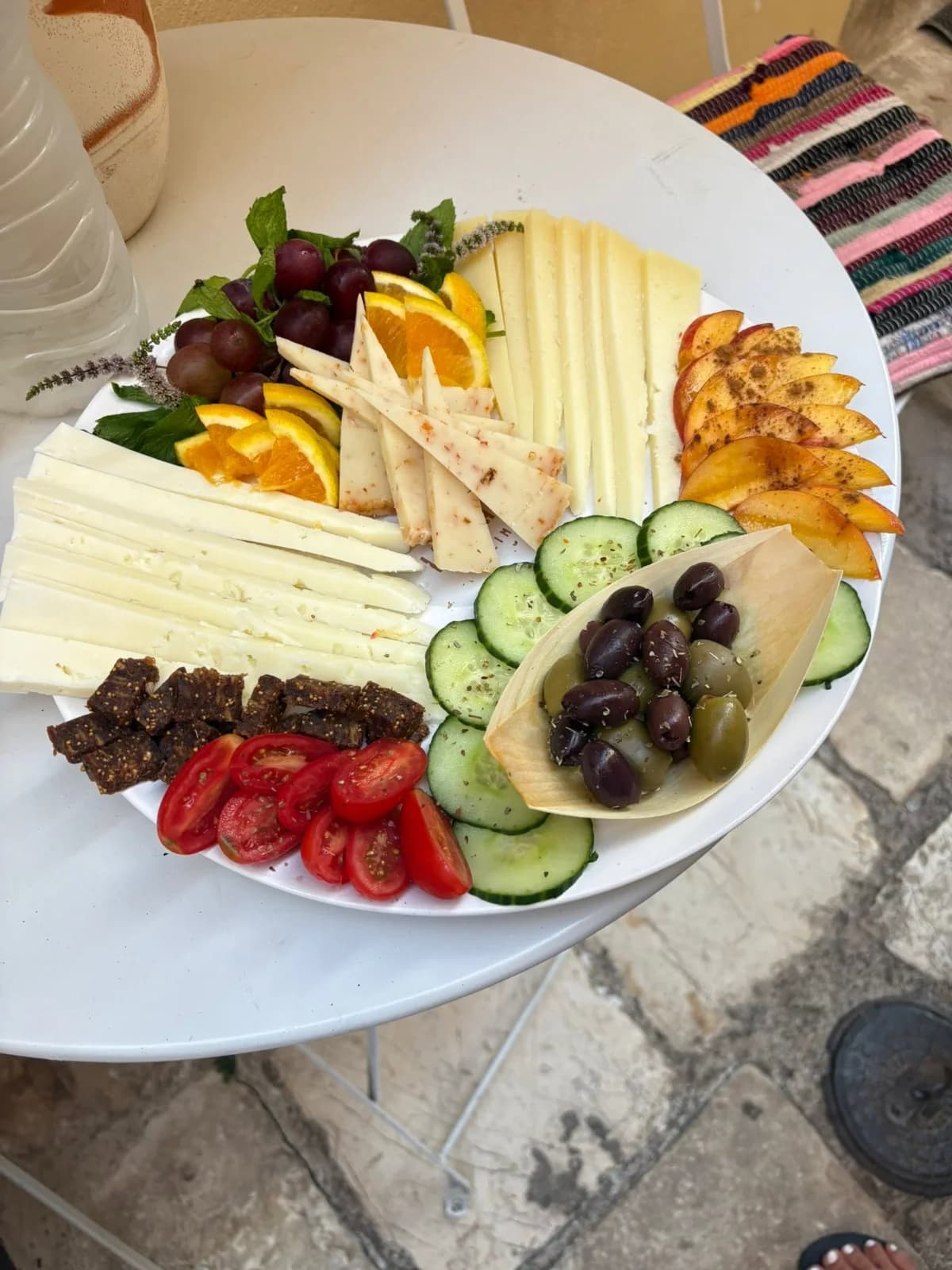
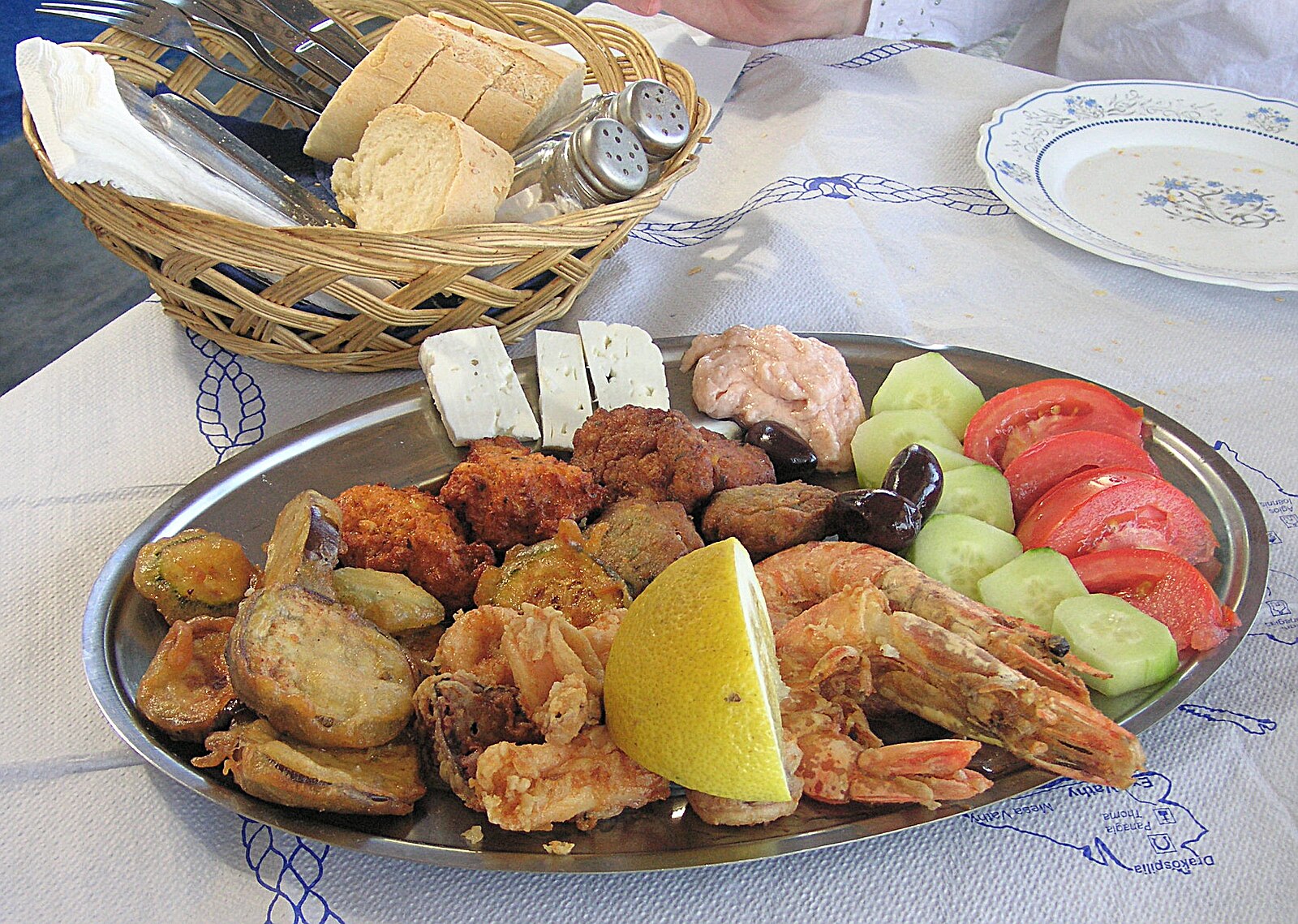
Greek cuisine is structured in a way that makes things easier for kosher-observant travelers who are content with a vegetarian or fish-based meal. Dishes like choriatiki (the classic Greek salad), gemista (vegetables stuffed with rice), fava (split pea purée), roasted peppers, grilled eggplant and tomatoes, and of course fresh fish — all of these are available at nearly every taverna.
A few important things to watch for when ordering at a regular restaurant:
- Frying oil: Ask to make sure your dish wasn't fried in the same oil as seafood or meat.
- Dishes and utensils: For the strictly observant, it's worth considering cold food or only cut fruits and vegetables.
- Cheeses: Most Greek cheeses are not kosher, so be careful with the traditional Greek salad (you can ask for it without feta).
- Wine: Don't order local wine with your meal — bring your own kosher wine or purchase it through the Chabad House.
Insider tip: In Paleokastritsa and the fishing villages in the north, the fish is caught locally and is very fresh. If you eat fish, this is the opportunity to choose a whole fish with fins and scales that you can identify — ask to see the fish before it's cooked. This is also a local custom and gives you control.
The Villages and Towns: Markets, Vegetables, and Fruit with No Concerns
This is where the great advantage of a rural Corfu vacation comes in. The island is full of picturesque towns and villages with markets and stalls selling local produce — and this is precisely the perfect meeting point for kosher-observant travelers. Fresh fruits and vegetables require no supervision, and they are available in abundance, at excellent quality, and at reasonable prices.
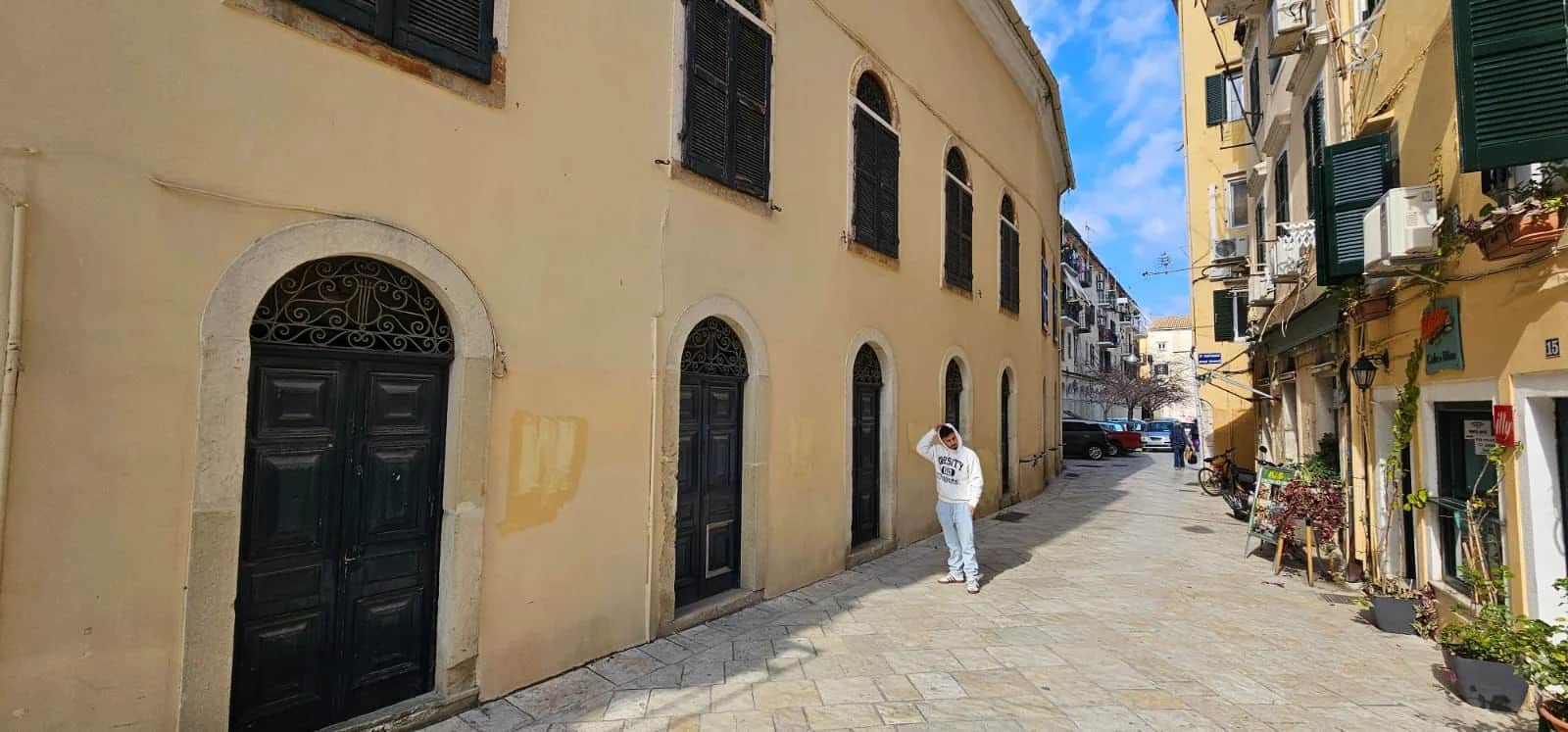
Corfu Town (Kerkyra): In the heart of the Old Town, a UNESCO World Heritage Site, there's a municipal market and stalls where you'll find vegetables, fruit, nuts, olives, and spices. Wandering the Venetian alleyways is an experience in itself, and you can combine shopping with sightseeing. Set aside at least half a day for the town.
Benitses: A small, charming fishing village south of town, with an authentic atmosphere and local stalls. A good place to buy fresh produce away from the tourist crowds.
Lakones: A mountain village above Paleokastritsa Bay, with breathtaking views and stalls selling honey, olive oil, and local produce. Ideal for buying dry goods whose ingredients you can check.
Agios Mattheos: An authentic farming village in the south-central part of the island, where local olive oil is still produced traditionally. Here you'll feel the real Corfu.
Insider tip: Buy fruits and vegetables at village stalls and not just at the big supermarkets — the quality is higher, the prices are lower, and the produce was often picked that same morning. Tomatoes, watermelons, peaches, and figs in summer are simply excellent.
Self-Catering in Your Apartment: The Smart, Economical Solution
Based on the experience of most kosher-observant families who visit the island, the best solution is to choose accommodation with a kitchen and to self-cater. This is especially true for families with children. A holiday apartment or villa with a fully equipped kitchen gives you complete control over kosher standards, saves a great deal of money, and allows total flexibility around meal times.
What's worth bringing from home in your suitcase:
- Dry goods: rice, pasta, legumes, flour, certified canned goods.
- Frozen certified kosher meat and poultry (check import regulations and proper packaging).
- Spices, sauces, certified oil, and of course kosher wine for Kiddush.
- Disposable utensils and aluminum foil for kashering work surfaces if needed.
What can you buy in local supermarkets? Fruits and vegetables, eggs (check), local olive oil, nuts, and sometimes products with recognized international kosher certifications. The Chabad House can update you on which supermarket brands are considered reliable.
Insider tip: Large supermarkets such as local chains in Corfu Town and Dassia offer a wider selection than the small grocery stores in the villages. Do one big shopping run at the start of your vacation.
What to avoid: Don't count on finding kosher meat on the island. A very limited quantity arrives through the Chabad House and isn't always available. If you're a meat eater — plan ahead and bring it from home.
Planning for Shabbat and Holidays: Don't Leave It to the Last Minute
Shabbat is the biggest challenge for kosher-observant travelers on vacation, and in Corfu it requires especially early planning. As noted, the Chabad House organizes Shabbat meals, but spots are limited and demand is high in season.
If you choose to observe Shabbat in your own apartment, prepare in advance:
- Cook all your Shabbat dishes on Friday morning.
- Arrange a hot plate or warming setup (check in advance whether the apartment includes one, or bring a small hot plate).
- Make sure you have Shabbat candles, wine for Kiddush, and challah (you can prepare dough in advance or bring flour and bake).
Insider tip: If you want to observe Shabbat comfortably, consider staying near Corfu Town for Shabbat, even if the rest of your vacation is based in the north or the south. That way you can walk to the Chabad House and to prayers without relying on a car.
What to avoid: A common mistake is to arrive on the island on a Friday afternoon and discover there's no time to prepare for Shabbat. Plan your arrival day so you have enough time to shop and cook before Shabbat begins — which in the Mediterranean summer starts relatively late, but still requires preparation.
Comparison: Kosher Food Options in Corfu
To help you decide on the right strategy, here's a concise comparison of the main options:
Self-catering in your apartment
- Kosher level: The highest (fully in your control)
- Cost: Low
- Effort: Medium-high
- Best for: Families, long stays, the strictly observant
Chabad House meals
- Kosher level: High
- Cost: Variable (donation/payment)
- Effort: Low (but requires advance registration)
- Best for: Shabbat, holidays, those wanting a communal experience
Restaurants with vegetarian/fish options
- Kosher level: Basic (depends on your personal level of observance)
- Cost: Medium-high
- Effort: Low
- Best for: Eating out, those content with pareve/fish dishes
Markets and village stalls
- Kosher level: High (fresh produce)
- Cost: Low
- Effort: Low
- Best for: Supplementing with vegetables, fruit, and healthy snacks
Combining Culinary Experiences into Your Kosher Vacation
Even if you keep strictly kosher, you don't have to give up Corfu's culinary experience. You can enjoy the atmosphere, the markets, and tasting tours of pareve products like olive oil, honey, olives, and spices — soaking up the local culture without compromising on your principles.
Our culinary tours are also tailored to kosher-observant families: we combine visits to local markets, a tour of Corfu's Old Town with a focus on pareve products, and an introduction to the farming villages where the island's fine olive oil and honey are produced. This way you get the authentic experience along with control over what goes on your plate.
Insider tip: Schedule the culinary tour at the start of your vacation. That way you'll learn which local products you can buy and incorporate into your self-catering throughout your stay — and you'll also know which stalls and markets are worth returning to.
Frequently Asked Questions About Kosher Food in Corfu
Is there a strictly kosher restaurant in Corfu? The situation changes from year to year. There usually isn't a permanent restaurant with continuous kosher certification, but the Chabad House provides kosher meals and Shabbat meals. The safest way to get up-to-date information is to contact the Chabad House directly before your trip.
Can you buy kosher meat and poultry on the island? In very limited quantities and not always available, mainly through the Chabad House. The recommendation is to bring frozen certified kosher meat and poultry from home, subject to import regulations and proper packaging.
What's the easiest thing to eat at a Greek taverna as a kosher-observant traveler? Cold and hot vegetarian dishes: salads (without non-kosher feta), grilled vegetables, legume-based dips, peppers and tomatoes stuffed with rice, and fruit. For the less strict — fish with fins and scales, with arrangements for clean frying oil.
Is it worth renting an apartment with a kitchen? Absolutely — this is our main recommendation for kosher-observant travelers. An apartment or villa with a fully equipped kitchen gives you complete control over kosher standards, saves money, and allows total flexibility, especially for families with children.
Where do you buy fresh fruits and vegetables? At the markets and stalls in the villages and towns, as well as at the large supermarkets in Corfu Town and Dassia. Local farm produce requires no supervision and is of excellent quality during the summer season.
How do you organize for Shabbat in Corfu? Plan ahead: cook on Friday, make sure you have a hot plate for warming, bring candles and wine for Kiddush, and register in advance for Chabad House meals if you prefer a communal experience. Consider staying near town for Shabbat to be within walking distance of the Chabad House.
Conclusion: A Relaxed Kosher Vacation in Corfu Is Possible — With the Right Planning
Kosher food in Corfu requires a bit more advance thought than at other destinations, but it's absolutely doable and genuinely enjoyable. The key is a smart combination: the Chabad House as your anchor for Shabbat and information, self-catering in an apartment with a kitchen as your daily foundation, village markets for fresh produce, and local restaurants for pareve and fish meals when you feel like eating out. With the right preparation, you can enjoy Corfu's green landscapes, shallow beaches, and rural charm — without compromising on kosher observance.
Corfu Paradise Tours is here to help you plan a kosher vacation tailored precisely to your needs — from choosing accommodation with a kitchen in the right area, to transfers and tours, to a kosher-friendly culinary tour that introduces you to the island's authentic flavors. Get in touch with us today, tell us about your level of observance and the size of your family, and together we'll build a vacation where you'll feel right at home — even 2,000 kilometers from home.