Road Trip in Corfu: A Full Day in the North Between Pantokrator and Abandoned Villages
A full-day self-drive itinerary through northern Corfu — from the island's highest peak at Mount Pantokrator, through the ghost village of Old Perithia, and into the scenic mountain villages. All the practical details you need.
Northern Corfu is a completely different world from the buzzing coastal strip. Up here, above the shoreline, lies a green highland region where time moves slowly: stone villages with faded shutters, small Byzantine churches, ancient olive groves, and winding roads that reveal a new view around every bend. After years of traveling this island, I can say with confidence that one day behind the wheel in the north is worth more than several days on any single beach. In this guide you'll find a complete Corfu road trip itinerary that weaves together Mount Pantokrator, the abandoned village of Old Perithia, and the scenic mountain villages into one rich, full day.
The route is designed so you can stop wherever you feel like it, linger at the places that speak to you, and skip whatever doesn't. It's great for couples, families with older children, and anyone who loves scenery, history, and a little quiet. Let's get started.
Key Takeaways
- A road trip through northern Corfu takes a full day (6–8 hours) and combines Mount Pantokrator, Old Perithia, and scenic mountain villages.
- Mount Pantokrator (906 m) is the highest point on the island — on clear days you can see as far as Albania and the Italian coastline.
- Old Perithia is a 14th-century stone village that was almost completely abandoned, offering a magical atmosphere and excellent local tavernas.
- The mountain roads are narrow and winding — careful driving, plenty of water, and an early start are all essential to avoid midday heat and traffic.
- Round out the trip with an authentic village meal and at least one coffee stop in a village for the full experience.
Why a Road Trip Through Northern Corfu
The mountainous north is where you feel the "real" Corfu — far from the international restaurant chains and big resort hotels. While the beaches in the south and west are easy to reach, the heart of the mountains can truly only be explored with your own vehicle. Buses serve only the larger villages, and infrequently at that, and the distances between sites combined with the winding roads make a car the tool that transforms the entire experience.
A day of driving like this gives you complete freedom: to pull over at a random viewpoint, duck into a small church you spotted along the way, or sit down at a village taverna with no schedule to worry about. If you haven't sorted out a car yet, it's worth comparing options in advance — we've put together everything you need to know about renting a car suited to island driving, including the types of vehicles that handle mountain roads well. A compact car with a decent engine is perfectly sufficient; there's no need for a 4×4.
Insider tip: Fill up on fuel in Corfu Town or Kassiopi before heading into the mountains. Gas stations in the smaller villages are rare, and the last thing you want is to be hunting for one when the fuel gauge creeps toward red on a mountain road.
Starting Point: From Corfu Town North Toward the Mountains
The route begins in Corfu Town or in the northern hotel zone (Dassia, Ipsos, Barbati). From town, head north along the east coast road through Kondokali, Gouvia, and Dassia — a beautiful stretch of scenery along a series of bays. After Ipsos the road starts to climb, and the views open up across the sea and down the mountain slopes.
Allow roughly one hour of pure driving time for the first leg to the start of the Pantokrator ascent, but plan to stop along the way. A recommended stop is the small village of Spartillas, which looks out over the bays from high on the hillside — a perfect spot for a first morning coffee with a view. From there the road continues inward into the heart of the mountain area.
When to leave: I strongly recommend an early start, around 8:00–8:30 a.m. The morning air is clearer, the view from the summit is sharper, and the roads are free of traffic. In summer (June–September) it also means you avoid driving in the peak heat of midday.
What to bring: Plenty of water, a hat and sunglasses, comfortable closed-toe shoes for walking, a camera, and some cash — a number of the village tavernas and roadside stalls don't always accept cards.
Mount Pantokrator: The Roof of the Island
Mount Pantokrator, rising to 906 meters, is Corfu's highest peak and the most dramatic viewpoint of the day. The road to the summit winds between small villages and olive groves, with the landscape changing at every turn. At the top stands an ancient Byzantine monastery (Moni Pantokratoros) alongside a cluster of broadcast antennas — an odd combination, but the views more than make up for it.
On a clear day the panorama is breathtaking: all of Corfu spreads out below you, the small Greek islands to the north, the Albanian coast strikingly close to the east, and on an exceptionally clear day even the tip of Italy to the west. This is one of the finest viewpoints in the entire Ionian Sea.
How to get there: The ascent to the summit passes through the village of Strinilas, the highest village on the island. From Strinilas the road to the top is very narrow — single-lane in places — and bends sharply. Drive slowly, sound your horn at blind corners, and be ready to stop and pull aside to let oncoming traffic through.
How long to allow: Set aside around an hour and a half to two hours for the entire summit area — including the slow drive up, a walk around the monastery, and time to take in the views. Don't rush; this is the heart of the trip.
Insider tip: Stop in Strinilas village before or after the summit. It has several excellent traditional tavernas shaded by enormous plane trees, and the authentic village atmosphere is at its best here. It's also a great opportunity for a proper countryside lunch.
What to avoid: Don't drive up to the summit on a cloudy or misty day — if the peak is wrapped in cloud, the entire view disappears and you're left with nothing but antennas. Check the weather in the morning, and if the sky is grey, consider reversing the order of the route and starting with the villages instead.
Old Perithia: The Enchanting Ghost Village
From the Pantokrator area, drop down a little to one of the most special sites on the entire island — Old Perithia (Palea Perithia), the oldest stone village in Corfu. The settlement was founded in the 14th century on the mountain slopes, high above the coastline — deliberately so, to protect its inhabitants from pirates and the malaria-carrying mosquitoes of the coastal marshes. For centuries a full community flourished here, but during the 20th century the residents gradually moved away to the coast, leaving the village nearly empty.
Today Old Perithia is a protected heritage site: dozens of stone houses, some restored and some wrapped in creeping vegetation, eight ancient stone churches, and cobbled alleyways that invite a slow, unhurried wander. Despite the "abandonment," a few families have returned and restored homes, opening charming little tavernas on the central square. The combination of quiet ruins, a living sense of history, and warm local restaurants is entirely unique.
How to get there: The village is reached via a signposted mountain road. The car park is at the entrance to the village, and from there you continue on foot — the village itself is closed to vehicles, and that's part of its charm.
How long to allow: Set aside at least an hour and a half — an hour to wander among the houses and churches, plus extra time for a meal or coffee at one of the tavernas. History lovers and photographers will find it easy to spend longer.
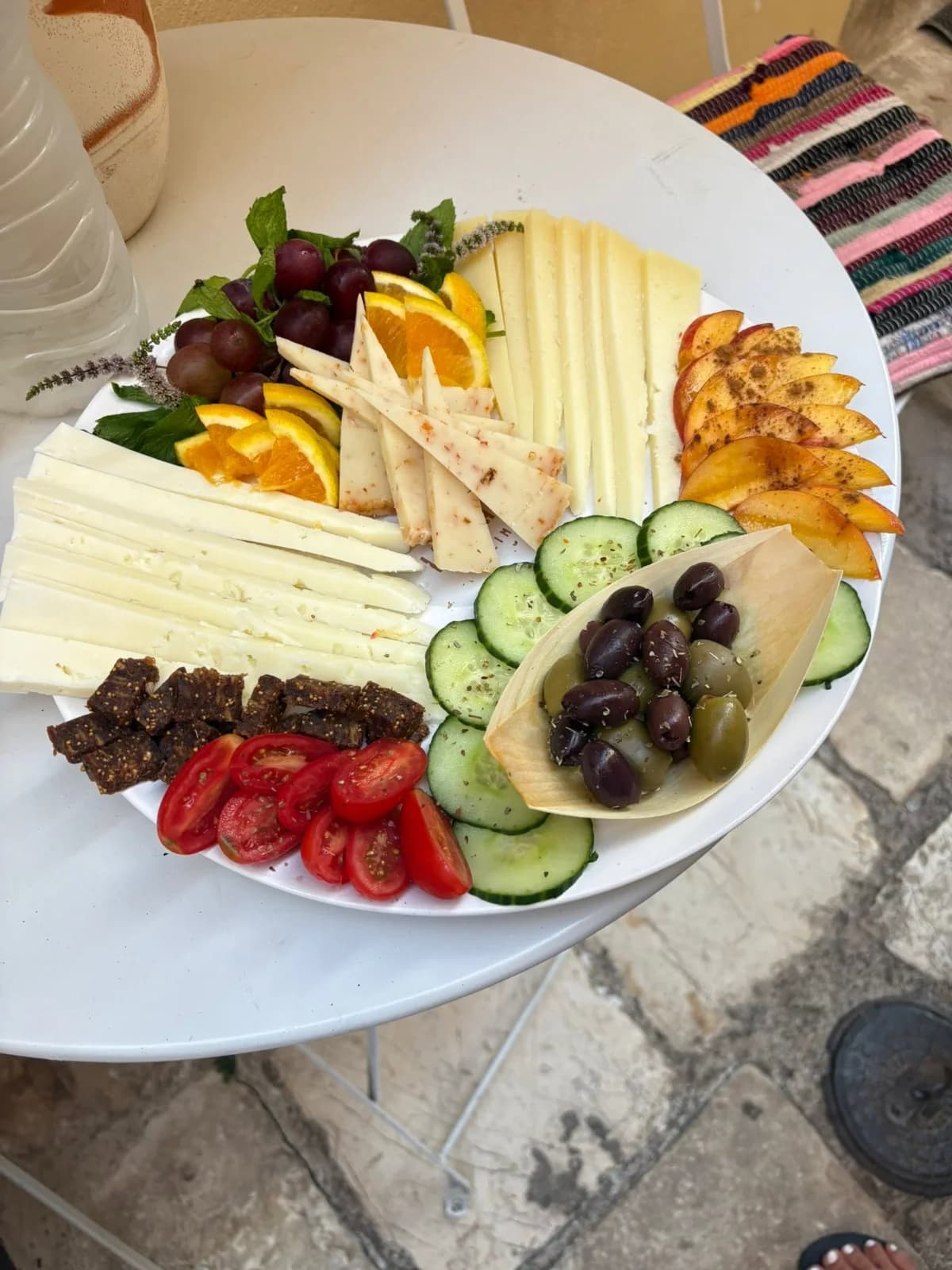
Insider tip: Sit down to eat at one of the tavernas on the square. The dishes are simple, home-cooked, and authentic — slow-cooked beans, local cheeses, grilled meat, and fresh village salad. If you're planning to explore Corfu's food scene further, it's worth checking out our food and culinary tours for a deeper dive into local cuisine.
What to avoid: Don't walk through the village in flip-flops. The paths are paved with uneven stone and some sections are unpaved — closed-toe shoes will save you from a twisted ankle.
The Scenic Mountain Villages: Strinilas, Lafki, and Agios Markos
Beyond the headline attractions, the true magic of the north hides in the small villages scattered across the hillsides. Each one is an experience in itself, and each deserves at least a brief stop:
- Strinilas — The summit village, the departure point for Pantokrator, with a shaded square under enormous plane trees and traditional tavernas. The beating heart of the mountains.
- Lafki and Patrikies — Small stone villages with open views across the sea and the valleys, and almost no tourists to speak of.
- The Perithia region surroundings — An area of tiny hamlets set among olive groves, ideal for slow driving and landscape photography.
- Agios Markos — A picturesque village with Byzantine churches and ancient frescoes, closer to the coast road on the way back.
The beauty of this part of the route lies precisely in its spontaneity. Don't plan every stop in advance — let yourself pull over at a village that catches your eye, step into a small church, or pick up some olive oil and pickles from a roadside stall. That's exactly the joy of a well-planned independent trip where you set the pace.
Best time: Early afternoon, when the light starts to soften. The golden hour over stone villages creates stunning photographs and a genuinely romantic atmosphere.
Insider tip: Many of the mountain villages are very quiet, and some tavernas only open at certain hours or seasonally. If you want to eat in a specific village, call ahead or ask a local — sometimes the only restaurant in the village is closed at lunchtime.
Planning Table: Recommended Day Schedule
To make planning easy, here's a suggested time breakdown for a full day:
| Stage | Area | Suggested Time | What You Do |
|---|---|---|---|
| Morning | Depart from Corfu Town / Dassia along the coast road | 8:00–9:00 | Scenic drive, coffee in Spartillas |
| Late morning | Ascent to Pantokrator via Strinilas | 9:30–11:30 | Summit viewpoint, monastery |
| Midday | Lunch in Strinilas or Perithia | 12:00–13:30 | Authentic village taverna |
| Afternoon | Old Perithia | 13:30–15:00 | Wander the ghost village, churches |
| Late afternoon | Mountain villages + descent to the coast | 15:30–17:30 | Spontaneous stops, photography |
| Evening | Return to base via Kassiopi | 18:00 | Optional swim stop / dinner |
This is a flexible outline — shorten or extend it at your own pace. If time and energy allow, you can finish the day in the coastal town of Kassiopi, with its small harbor and waterfront restaurants.
Practical Tips for Driving in the Corfu Mountains
Driving through the northern highlands is part of the experience, but it demands attention. Here's what's important to know:
- Narrow, winding roads — Most mountain roads are narrow, and at times wide enough for only one vehicle. Drive slowly, sound your horn at blind bends, and keep your distance.
- Uphill traffic has priority — As a general rule, the vehicle going uphill has right of way over the one coming down, since it's easier for the descending driver to stop and pull aside.
- Use engine braking on descents — On long downhill stretches, shift into a lower gear rather than relying on the brakes alone, to prevent them from overheating.
- Parking — Park only in marked lay-bys or designated car parks. Don't block narrow roads, even for a moment.
- Fuel and water — Fill the tank before heading into the mountains, and bring plenty of water. In summer the heat is felt even at altitude.
If you'd rather enjoy the scenery without the stress of navigating challenging roads, an excellent alternative is a private scenic tour with a local driver who knows every bend and can take you directly to the most beautiful spots.
What to avoid: Don't drive in the mountains after dark unless absolutely necessary. The roads are unlit, roadside barriers are limited, and the bends are genuinely dangerous at night. Plan to finish the mountain section before sunset.
Frequently Asked Questions
How long does the full route take? A full day — between 6 and 8 hours including stops, a meal, and viewpoints. You can trim it to a half-day by focusing only on Pantokrator and Old Perithia, but it would be a shame to miss the villages.
Do you need a 4×4 for this route? No. All the main roads are paved, and a regular compact car is perfectly adequate. What matters is a confident driver who's comfortable on winding roads, not the type of vehicle. Just make sure the air conditioning works properly in summer.
Is the route suitable for families with children? Yes, though it's better suited to older children who don't suffer from motion sickness. The winding roads can be hard on young children. Bring bags, water, and snacks, and plan for frequent stops.
What's the best time of year? Spring (April–June) is ideal — everything is green, in bloom, and pleasantly cool. Autumn (September–October) is also excellent. Summer is doable but start early and avoid the midday heat. In winter some tavernas are closed.
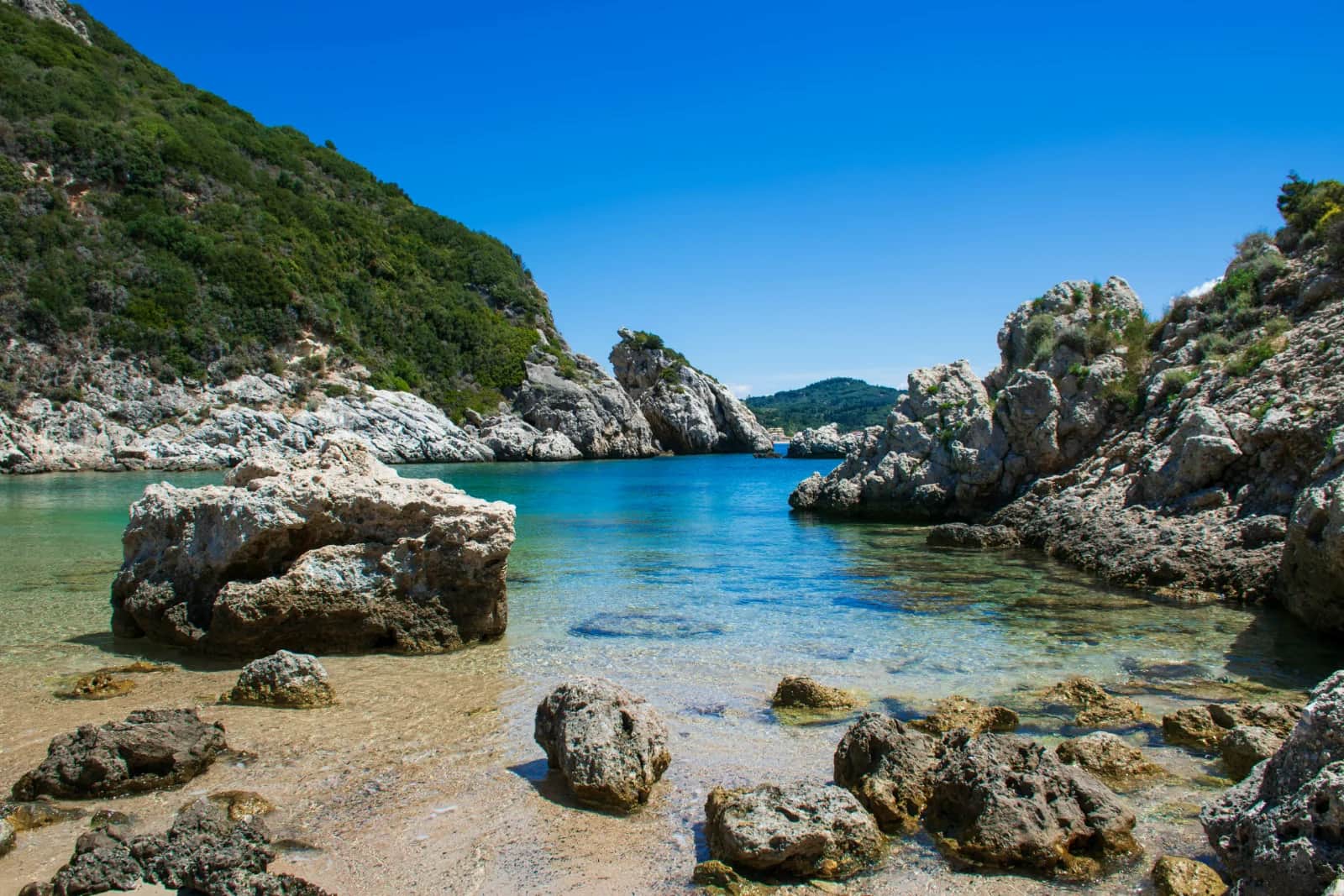
Can you combine this route with a beach? Absolutely. On the way back you can drop down to Kassiopi or the small coves along the northeast coast for a refreshing dip at the end of the day. Work it in only if you have time before sunset.
Is there mobile signal in the mountains? There's a reasonable signal in most areas, but in some remote villages and on isolated stretches of road it weakens. Download an offline map in advance and don't rely solely on a live internet connection for navigation.
Wrap-Up: One Day That Shows You the Other Corfu
The northern Corfu road trip is one of the finest ways to discover the quiet, authentic, and historical side of this island. Between the panoramic views from the summit of Pantokrator, the still alleyways of Old Perithia, and the mountain villages where time seems to stand still — you'll come away with a full day of experiences that are light years away from the hotel strip. All it takes is a car, an early start, and an open mind for spontaneous stops.
Ready to hit the road? Check out our car rental options for an independent trip at your own pace, or get in touch if you'd prefer a guided tour with a local driver who knows the mountains and can lead you to exactly the most beautiful spots. Northern Corfu is waiting — and the view from the summit is worth every bend in the road.