
Everything You Need to Know About Corfu — The Complete Guide Before You Fly
Everything you need to know about Corfu before you fly — the best-value season, month-by-month weather, transport, driving, beaches and real on-the-ground tips.

Corfu (Kerkyra in Greek) is the greenest island in the Ionian Sea, tucked into the northwestern corner of Greece, right across from the coast of Albania. Anyone who has been there knows it isn't just another Greek island: it's a rare blend of a UNESCO-listed old town, turquoise bays, green mountain villages and centuries-old olive groves. After several seasons guiding travelers around the island, we've gathered here everything you need to know about Corfu — from the right season to driving, transport and beaches — with no unnecessary fluff and based on what actually works on the ground.
This guide is built for travelers planning a first or third visit: when it's best to fly, how much time to set aside, how to move between the bays, and the recurring mistakes that cost time and money.
Key Takeaways
- The sweet spot in Corfu is late September and October: warm sea, fewer crowds and more comfortable prices.
- Driving in Corfu is on the right side of the road, like most of Europe — a standard driver's license is enough.
- A rental car is almost essential if you want to reach the northern and western beaches; public transport exists but is limited.
- Set aside at least 5–7 nights to combine the town, beaches and villages without rushing.
- The Old Town, Paleokastritsa, Kassiopi and Kanoni are four anchors worth building your trip around.
Where Corfu Is and What Makes It Special
Corfu sits in the Ionian Sea, facing the western coast of mainland Greece and southern Albania. Unlike the arid islands of the Cyclades (such as Santorini and Mykonos), Corfu is green and hilly — millions of olive trees, cypresses and rich Mediterranean vegetation. The climate is more humid, so the landscape stays green even in summer.
Culturally, Corfu absorbed Venetian, French and British influences over centuries, and it shows at every turn: the narrow lanes (kantounia) of the Old Town, the cricket ground opposite the Liston, and the Venetian fortresses. This isn't just a beach holiday — it's also a holiday of history and food.
Insider tip: Don't treat Corfu as a small island you can loop in a day. End to end is nearly two hours of driving, and the mountain roads twist and turn. Plan by regions, not by "let's see everything."
When It's Best to Fly — The Recommended Season in Corfu
This is almost every traveler's first question, and rightly so. Each season in Corfu has its own character:
- May–June: Full spring, everything green and blooming, the sea already pleasant for swimming and the crowds still moderate. One of the most beautiful periods.
- July–August: Peak summer. Hot, buzzing, full of life — but also the most crowded and most expensive. The main beaches are packed.
- September: In our view, the perfect month. The sea is at its warmest after the whole summer, the weather is stable and pleasant, and tourism begins to thin out.
- October: A quiet, good-value season. Still pleasant, but the first rainy days may appear and life in the resort areas begins to slow.
The weather in Corfu in September usually hovers around 26–29°C during the day, with especially pleasant water temperatures. In October it drops to around 22–25°C, still comfortable for touring and a quick swim. If you want the best combination of weather, price and calm — aim for the window between mid-September and mid-October. We expanded on the advantages of this period in our tours and excursions in Corfu guide, worth a look before you plan.
What to avoid: Don't plan a trip for late October or November on the assumption that "it's always hot in Greece." Some hotels and restaurants in the resort areas close at the end of the season, and storm days are possible.
How Much Time to Set Aside and How to Build Your Itinerary
Many travelers ask whether 3–4 days is enough. It can be done, but you'll feel like you rushed. Our practical recommendation:
- 5 nights: A reasonable minimum — 2 days for the town and surroundings, 2 days for the northern/western beaches, one day for villages.
- 7 nights: The sweet spot. Allows for a boat day or a mainland trip too (for example to Meteora or Parga).
- 10 nights and up: For a relaxed holiday that combines lazing on the beach with deeper exploration.
As for where to stay — the northeast (Kassiopi, Agni, Kalami) is beautiful and calm, the center is convenient for reaching everywhere, and the south (such as the Messonghi and Kavos areas) suits nightlife and long beaches. If this is a first family holiday, choose a central location to shorten drives.
Insider tip: Split your stay between two bases — a few nights near the town and a few in the north. This saves hours of daily driving and lets you experience two different faces of the island.
Getting Around Corfu — Transport, Driving and Car Rental
The topic that confuses travelers most before the trip. Let's break it down.
Which Side Do You Drive On in Corfu
In Corfu you drive on the right side of the road, exactly as in most of Europe. There's no need to adjust to reverse driving as in the UK. A valid driver's license is enough at most rental companies, though it's advisable to also carry an International Driving Permit for extra peace of mind.
Public Transport in Corfu
There are two bus systems: the blue buses (blue KTEL) for the town and its immediate surroundings, and the green buses for intercity routes across the island. The system works, but with low frequency — sometimes one bus every few hours, and even less in the quiet season. Some of the loveliest beaches have no direct line at all.
A quick comparison of the travel options:
- Rental car: Maximum freedom, access to every hidden cove. Requires driving on narrow mountain roads. The recommended solution for most travelers.
- Motorcycle/scooter: Fun and cheap for couples, less suited to families and long roads.
- Public transport: Economical, but severely limits flexibility and destinations.
- Taxis and transfers: Convenient for a specific point or an airport run, less economical for a full day.
In most cases we recommend renting a car on the island of Corfu — it opens up the entire island, from the northern beaches to the mountain villages. Those who prefer a free and easygoing experience can consider renting a motorcycle or scooter. And for anyone who lands and wants to head straight to the hotel with no hassle, there are organized transfer services.
Insider tip: Take a small car, not a big SUV. The lanes in the villages and Old Town are terrifyingly narrow, and parking a large vehicle is a nightmare. GPS or offline Google Maps is a must — reception in the mountains varies.
What to avoid: Don't rely on the last evening bus in remote areas — sometimes it simply doesn't come, and you'll be stranded.
The Beaches You Shouldn't Miss
Corfu is famous for its varied beaches, from pebble coves to sandy bays. Here are four worth putting on the map:
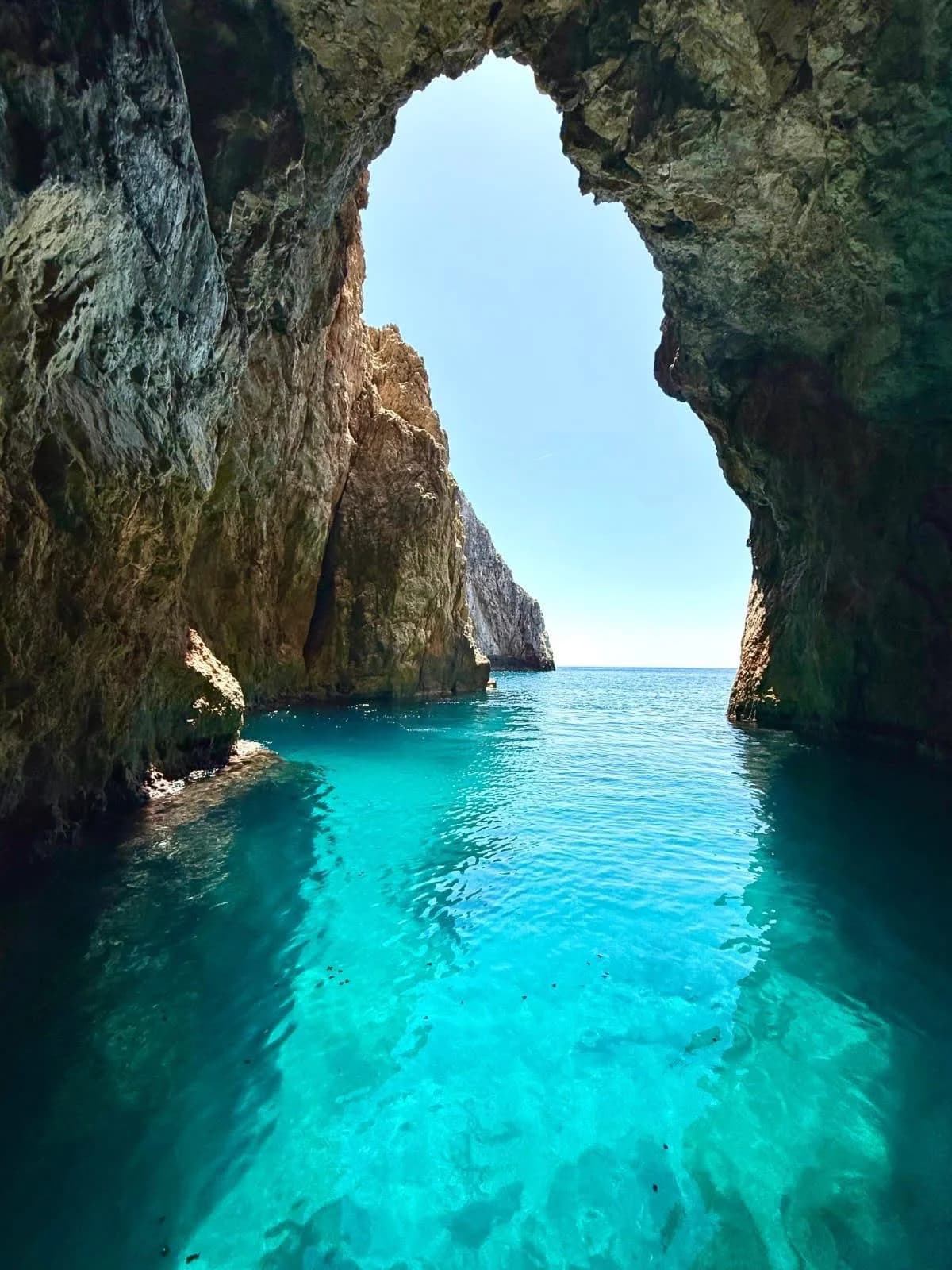
1. Paleokastritsa: Perhaps the most famous bay on the island — green rocks tumbling into a turquoise sea, a clifftop monastery and sea caves reached by boat. Come early in the morning to find parking and grab a spot. About an hour's drive from the town. 2. Canal d'Amour (Sidari): Dramatic rock formations and narrow water channels in the north. Family-friendly, with plenty of beach services nearby. 3. Poros / the small Paleokastritsa beach: Quieter coves for relaxed swimming and snorkeling. 4. Porto Timoni Bay: A hidden double beach reached by about a 20-minute walk from the village of Afionas. Worth every step — one of the most beautiful views on the island. Bring closed shoes and water.
When it's best: For the popular beaches, arrive before 10:00 or after 16:00 to avoid the crowds and the heat. Insider tip: Some of Corfu's beaches are pebbles rather than sand — bring water shoes, it changes the whole experience.
The Old Town of Corfu — The Heart of the Island
Corfu Old Town, a UNESCO World Heritage Site, is one of the most beautiful places in all of Greece. Cobbled alleys, Venetian squares, two impressive fortresses and the famous Paris-inspired Liston promenade.
What you must see:
- The Old Fortress (Palaio Frourio): A Venetian fortress on a cliff with panoramic views. Allow about an hour and a half.
- The Liston: The arcaded avenue of cafés — a perfect spot for an afternoon coffee.
- The Spianada: The largest square in Europe, where cricket is played in summer.
- N. Theotoki Street: For shopping, local sweets and kumquat, the citrus fruit that has become the island's symbol.
Give the Old Town at least half a day, and ideally a full day with dinner. We've gathered the full list of sights on our top attractions and sites in Corfu page, worth opening as you plan.
Insider tip: Visit the town in the evening, when the stones are lit and the atmosphere is magical, but park outside the walls and walk in — there's almost no parking inside.
Food and the Culinary Experience in Corfu
Corfu's cuisine differs from the rest of Greece thanks to the Venetian influence. Must-try dishes:
- Sofrito — cuts of beef in a garlic and white-wine sauce.
- Pastitsada — a rich meat stew with pasta, the island's national dish.
- Bourdeto — fish in a spicy paprika-based sauce.
- Kumquat — liqueur and sweets made from the tiny citrus fruit.
Head to the tavernas in the villages, not only on the main promenade — the food there is more authentic and the prices fairer. A guided food tour is an excellent way to taste it all in one go and understand the story behind the dishes; you can join a culinary tour of Corfu Old Town or browse the range of food tours and tastings.
What to avoid: Restaurants right in front of the main tourist sites tend to be expensive and mediocre. Move a street or two away and the quality improves.
Excursions, Boating and Attractions Beyond the Beach
Beyond the sea and the town, Corfu offers experiences that enrich the trip:
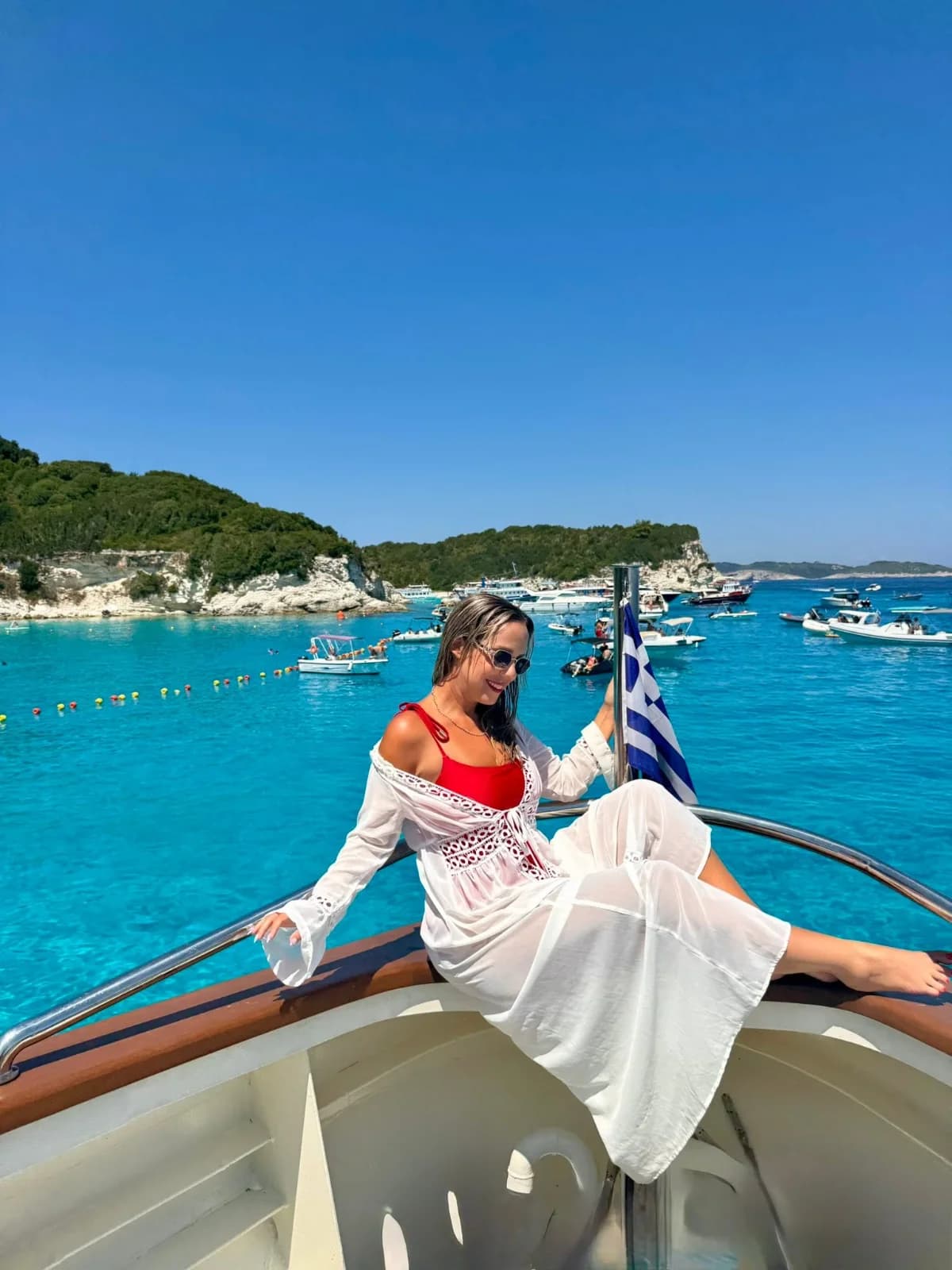
- Sailing to the hidden bays: Many of the truly beautiful beaches are only accessible from the sea. A day on the water is one of the island's unforgettable experiences — check out the boat trips and cruises.
- Kanoni and Vlacherna Monastery: The iconic viewpoint with the little church on a tiny islet. Come for sunset.
- The mountain villages of Palaia Perithia and Archangelos: For views over the west of the island.
- A day trip to the mainland: You can sail to Parga or even head to Meteora — details on our day trips and organized excursions.
Insider tip: If you only have time for one boat day, choose a northwestern route that includes the Paleokastritsa caves — it concentrates the most beautiful scenery.
Final Practical Tips Before You Fly
- Currency: Euro. Credit cards are accepted almost everywhere, but keep cash for villages and stalls.
- Connectivity: A local SIM card or a European data package — reception is good in the town, weaker in the mountains.
- Power socket: European standard (Type C/F), exactly like at home.
- Language: Greek, but English is widely spoken in the tourist areas.
- Safety: Corfu is very safe. The main risk is the winding roads — drive carefully.
- What to pack: Water shoes, a hat, sunscreen, and a light jacket for evenings in the shoulder season.
Frequently Asked Questions
What is the recommended season for a trip to Corfu? For most travelers, mid-September to mid-October is ideal: the sea is warm, the weather is pleasant, there are fewer crowds and prices are more comfortable than at the peak of summer.
What's the weather in Corfu in September and October? In September around 26–29°C with an especially warm sea. In October around 22–25°C, pleasant for touring and a quick swim, with the possibility of the first rainy days toward the end of the month.
Which side do you drive on in Corfu, and do you need a special license? You drive on the right. A valid standard license is enough at most rental companies, and it's advisable to add an International Driving Permit.
Can you manage in Corfu without a rental car? You can, but it's limiting. Public transport exists but runs at low frequency, and some of the loveliest beaches aren't reachable by it. For full flexibility, a rental car is the recommended solution.
How many days should you dedicate to Corfu? A minimum of 5 nights, and ideally 7, to combine the Old Town, the northern and western beaches and the mountain villages without pressure.
Is Corfu suitable for families with children? Absolutely. Shallow beaches in the north, water attractions, kid-friendly food and a safe atmosphere make it an excellent family destination.
Conclusion — Corfu Is Waiting for You
Now you have everything you need to know about Corfu: when to fly, how to get around, which beaches and villages not to miss, and how to build a smart itinerary that doesn't rush. Corfu rewards those who plan well — combine the Old Town, turquoise bays and green villages and you get a perfect Mediterranean holiday.
Ready to turn planning into reality? The Corfu Paradise Tours team will be glad to help you build the exact holiday that suits you — get in touch with us for personal planning or browse the range of guided tours and experiences on the island to get started. Corfu is closer than ever — all that's left is to set off.