
Driving in Corfu: Everything Tourists Need to Know Before Hitting the Road
Corfu is a stunning island with narrow roads, breathtaking scenery, and hidden villages that are nearly impossible to reach without a car. Before you rent a vehicle and set off to explore — here's everything you need to know about driving in Corfu.

Why Rent a Car in Corfu?
Corfu is one of the most beautiful islands in Greece — and it's also one of those places where the difference between a good vacation and an unforgettable one comes down to the car keys in your pocket. Driving in Corfu opens up an entire world that many tourists simply miss out on.
The Vacation Waiting Beyond the Hotel
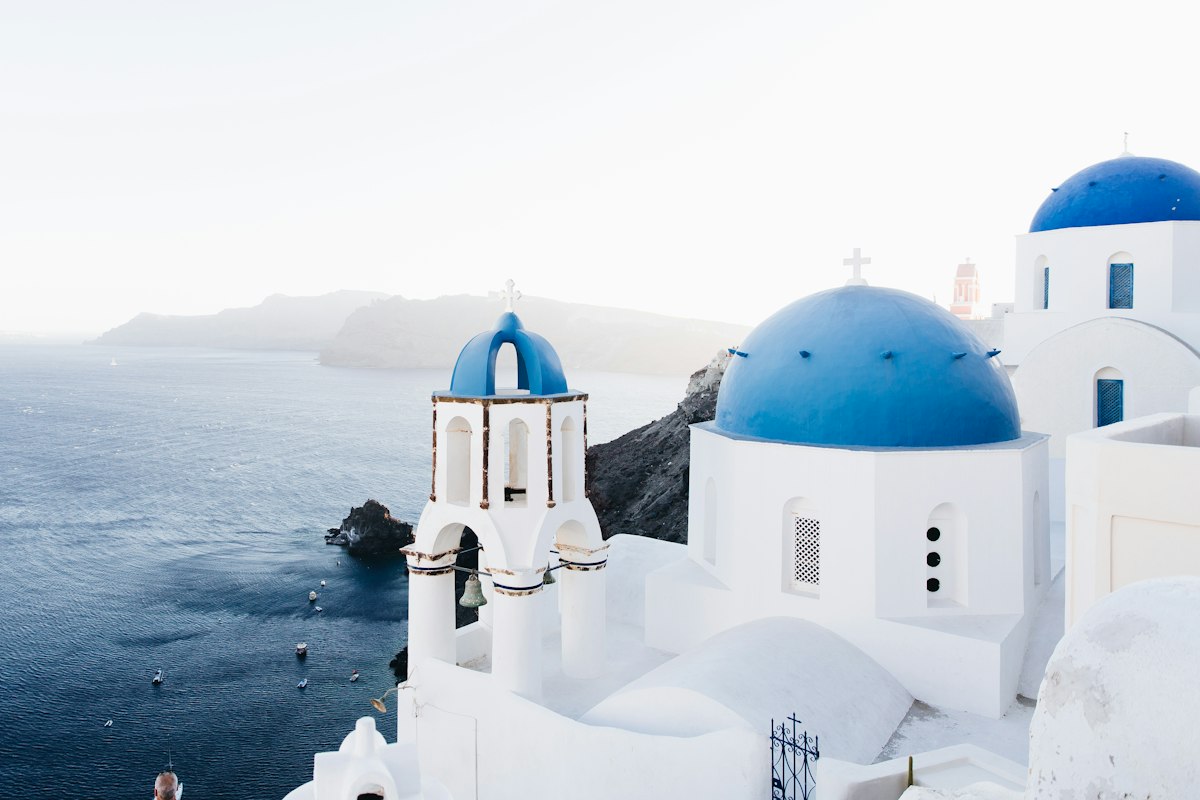
You could spend a whole week by the hotel pool and at the nearest beach. But that's not the real Corfu. When you drive yourself around Corfu, you discover villages where time has stood still, small churches perched at the edges of olive groves, family-run tavernas serving wine and food you won't find on any tourist-translated menu, and trails leading to beaches where you might just be the first person to arrive that day.
Cruising along a narrow country road in Corfu, with a view of deep blue sea on one side and rolling green hills on the other, is an experience that most travelers later describe as the highlight of their entire trip.
What You Simply Can't Reach Without a Car
Some of Corfu's best destinations are just not accessible by public transport. Paleokastritsa, one of the most magical bays in all of Greece, is about a 35-minute drive from Corfu Town — but buses run only a handful of times a day. Kanoni Beach, the northern village of Peroulades, mysterious hilltop churches — all of these require a car.
If you're planning a private tour to Paleokastritsa, making your own way back along the western coastline in a rental car is one of those things you'll remember long after the trip is over.
Basic Traffic Rules You Need to Know
Before you set off, it's worth getting familiar with the ground rules. In Greece generally, and in Corfu in particular, a few things are a little different from what you might expect — while others are pretty much the same as anywhere else.
Which Side of the Road and Right of Way
In Greece, you drive on the right — exactly like in the US. So there's no need to adjust to left-hand driving as you would in some other countries. That said, pay attention: at roundabouts in Greece, vehicles already inside the roundabout have the right of way, which is the opposite of the rule in some countries. That's an important distinction to keep in mind.
Speed Limits and Road Signs
| Road Type | Speed Limit |
|---|---|
| Within a town or village | 50 km/h |
| Interurban road | 90 km/h |
| Highway | 110–120 km/h |
On Corfu itself, highways are virtually nonexistent. Most of your driving will be on interurban roads and rural lanes where even 90 km/h is purely theoretical — the road itself will naturally slow you down.
Road signs in Greece are written in both Greek and English on most major roads, but in smaller villages you may find signs in Greek only. GPS navigation is a must, not just a nice-to-have.
Seatbelts and Phone Use While Driving
Greek law is unambiguous on these points:
- Seatbelts are mandatory for all passengers, including those in the back seat.
- Using a phone while driving (without a hands-free device) is strictly prohibited and can result in fines ranging from tens to hundreds of euros.
- Children under 12 must be seated in an appropriate child safety seat — check with your rental company to confirm one is included.
Parking Rules in Town and in Villages
In Corfu Town, parking can be a real headache during peak season. Areas marked with blue lines are paid parking zones; red-and-white markings mean no parking under any circumstances. In smaller villages, there's usually a small parking area at the village entrance — it's best to leave your car there and continue on foot.
Corfu's Roads — What to Expect Out There
Driving in Corfu is fundamentally different from driving in a city back home. It's not about traffic jams or aggressive drivers — it's an entirely different kind of challenge.
Main Roads vs. Rural Roads
The main road running along the island from north to south is the widest and most comfortable to drive on. It connects Corfu Town with the main villages and the island's major tourist sites. On this road, driving in Corfu is relatively straightforward and you can move at a reasonable pace.
But the moment you turn off onto the rural roads, the game changes. The lanes narrow — sometimes to barely a car and a half wide — with a rock wall on one side and a steep drop on the other. Meeting an oncoming car means one of you has to reverse and find a passing spot, and sometimes that takes a few minutes.
Mountains, Blind Corners, and Tight Passages
The roads in northern Corfu and the mountainous interior are among the most demanding on the island. Blind corners are the norm, and in many places there's no guardrail between the road and the hillside. Slowing down and sounding your horn before blind corners is not an overreaction — it's exactly what the locals do.
Important tip: If you're on a narrow road and a tourist bus is coming toward you — reverse before it has to ask you to. You'll save everyone a headache.
Driving at Night — Is It Worth It?
The short answer: no. Driving at night on Corfu's rural roads is a challenge most visitors have no reason to take on. Lighting on the smaller roads is almost nonexistent, animals (cats, dogs, the occasional goat) can wander onto the road, and blind corners become genuinely dangerous in the dark. Plan to be back before sunset — that's the golden rule for nighttime driving in Corfu.
Renting a Car in Corfu — What to Look Out For
Renting a car in Corfu is the first step, and if you get it right, the rest of your trip flows smoothly.
Driver's License and Required Documents
Visitors with a valid US driver's license can drive in Corfu and throughout Greece — no international driving permit is required. That said, it's strongly recommended that you also carry an English translation of your license, as some rental companies and local police officers may not be familiar with non-Latin scripts.
Documents you'll need:
- A valid driver's license (most rental companies require at least 1–3 years of driving experience)
- Passport
- A credit card in the primary driver's name
Car Insurance — What's Covered and What Isn't
This is the topic most tourists overlook — and later regret. Basic insurance is usually included in the rental price, but it often comes with a high excess (deductible) — potentially hundreds to thousands of euros — in the event of damage.
| Insurance Type | What's Covered | What's Not |
|---|---|---|
| Basic CDW | Vehicle damage (with excess) | Tires, windshields, theft |
| Full CDW | All damage, zero excess | Usually excludes intentional damage |
| Third Party | Damage to other vehicles/people | Damage to your own car |
Recommendation: Pay for Full CDW coverage — it adds around €10–15 per day, but the peace of mind it buys you on Corfu's mountain roads is priceless.
Tips for Choosing a Rental Company
- Book in advance — during peak season (July–August), cars sell out early and prices climb.
- Compare international chains (Sixt, Hertz, Avis) with local companies — local agencies can be cheaper, but always check reviews first.
- Go small — a Fiat 500, Toyota Aygo, or Renault Clio. On Corfu's narrow roads, less is more. A large SUV can become an obstacle.
- Inspect the car before you drive off — photograph every scratch and mark it on the inspection form, no matter how minor.
Car rental prices in Corfu range from €25 to €60 per day, depending on the season, vehicle type, and insurance level.
Navigation and Parking — Tips from the Ground
The Most Useful Navigation Apps
- Google Maps — works well on most of Corfu's roads, including rural ones. Download the map for offline use before you leave your accommodation.
- Waze — less reliable in Corfu due to fewer local users reporting conditions, but still a viable option.
- Maps.me — an OpenStreetMap-based app that works excellently offline, including village tracks that Google sometimes misses.
Parking in and Around Corfu Town
Corfu Town is a parking challenge during peak season. The large parking area near the Spianada (close to the Old Port) is the most convenient option for visitors, at around €1–2 per hour. The Donzelot parking area is close to the Liston and ideal if you're exploring on foot.
Tip: Arrive early in the morning (before 9:00 AM) or in the evening (after 6:00 PM) — competition for parking spots is much lighter at those times.
What to Do When There's No Signal
In parts of northern Corfu and in more remote villages, mobile coverage can be weak or nonexistent. Here's how to handle it:
- Download the Corfu map for offline use in Google Maps before leaving your hotel.
- Save your destinations — both written down and as screenshots.
- Ask the locals — in Greece, this still works, and people are genuinely happy to help.
When You Don't Actually Need a Car — Recommended Alternatives
Driving in Corfu isn't the right choice for every day or every experience. Sometimes it's simply better to leave the car in the parking lot and let someone else take care of the logistics.
Organized Tours That Take the Stress Away
For some of Corfu's most spectacular destinations, a private organized tour is simply the better solution. No hunting for parking, no squinting at GPS, no arguing about where to stop — an experienced guide already knows exactly where the magic is and what to share with you along the way.
Mouse Island, for example — a drive to one of the nearby beaches followed by a short boat ride — is a far more enchanting experience when you're not managing the logistics yourself.
Boat Trips and Culinary Tours Instead of Map-Chasing
Corfu also offers experiences that don't require a road at all. A culinary tour of Corfu Town takes you through charming alleyways and local markets with a guide who knows every corner — and it's a thousand times more satisfying than trying to find those same spots on your own with Google Maps.
And if you're considering getting out on the water, our guide on boat tours in Corfu — the most recommended sea experience is well worth a read. Many of Corfu's most beautiful spots are far more easily reached from the sea than from the land.
Frequently Asked Questions About Driving in Corfu
Which side of the road do you drive on in Corfu?
In Greece, including Corfu, you drive on the right — the same as in the US. That said, pay close attention at intersections and roundabouts, where the rules may differ from what you're used to. The key rule: a vehicle already inside a roundabout has priority over one entering it.
Do you need an international driver's license in Corfu?
Visitors with a valid US driver's license can drive in Greece without an international permit. It's still a good idea to carry an English translation of your license in case you're stopped by police or a rental company requests one.
Is driving in Corfu difficult?
Driving in Corfu can be challenging due to narrow, winding roads that often have no shoulders. In the mountain villages and the northern part of the island, the roads are especially tight, and it's best to drive slowly and carefully. That said, most visitors adapt just fine with a little patience — especially if they choose a small car and stick to daytime driving.
How much does it cost to rent a car in Corfu?
Car rental prices in Corfu range from €25 to €60 per day, depending on the season, vehicle type, and level of insurance. During peak season (July–August), it's strongly recommended to book in advance, as demand is high and prices rise accordingly.
Are there gas stations throughout Corfu?
Gas stations are mostly found in Corfu Town and the larger villages. In the more rural and remote parts of the island, stations are less common — so it's wise to fill up whenever you get the chance and never set off with a near-empty tank. The rule of thumb: when you're below half a tank, fill up.
What are the speed limits in Corfu?
Speed limits in Greece are 50 km/h within towns and villages, 90 km/h on interurban roads, and 110–120 km/h on highways (of which there are almost none in Corfu). On mountain rural roads — drive slowly even if there's no posted speed limit. The road itself is the sign.
Quick Summary — and What's Next?
Driving in Corfu adds a whole new dimension to your vacation — but it requires preparation, patience, and a small car. With the right knowledge, Corfu's roads transform from a challenge into an adventure. And on the days when you'd rather let someone else handle the logistics — we're here for exactly that.
Explore our tours — private excursions, boat trips, culinary experiences, and more — and let us help make your time in Corfu something you'll be talking about for years.