Blue Lagoon Corfu: How to Visit the Famous Turquoise Cove and the Best Beaches Nearby
The truth about Corfu's famous Blue Lagoon — where it really is, how to get there by boat, swimming and family tips, plus the best turquoise coves nearby.
If you've been searching for the Blue Lagoon in Corfu and coming away confused, you're not alone. The photos that pull people in — that impossibly clear, gin-clear turquoise water over a pale seabed — are real, but there's a catch most listicles skip over. We spend our summers on the water around Corfu, and this is the honest, practical rundown we give friends who arrive expecting a single famous beach they can drive to.
Key Takeaways
- The "Blue Lagoon" travelers picture is reached by boat, most often on day trips heading toward Antipaxos and Sivota, not by walking onto one signposted Corfu beach.
- The most reliable way to see genuine turquoise water is a full-day boat trip from the south or from Corfu Town, typically 6–8 hours on the water.
- The water is calm and shallow in the sheltered coves, which makes it excellent for confident swimmers and older kids, with a few caveats for toddlers.
- Corfu itself has several turquoise coves worth your time — Paleokastritsa, Porto Timoni and the north-east bays among them.
- Book boat trips a few days ahead in July and August; the best small-boat departures fill quickly in peak season.
Where Is the Blue Lagoon in Corfu, and How Do You Get There?
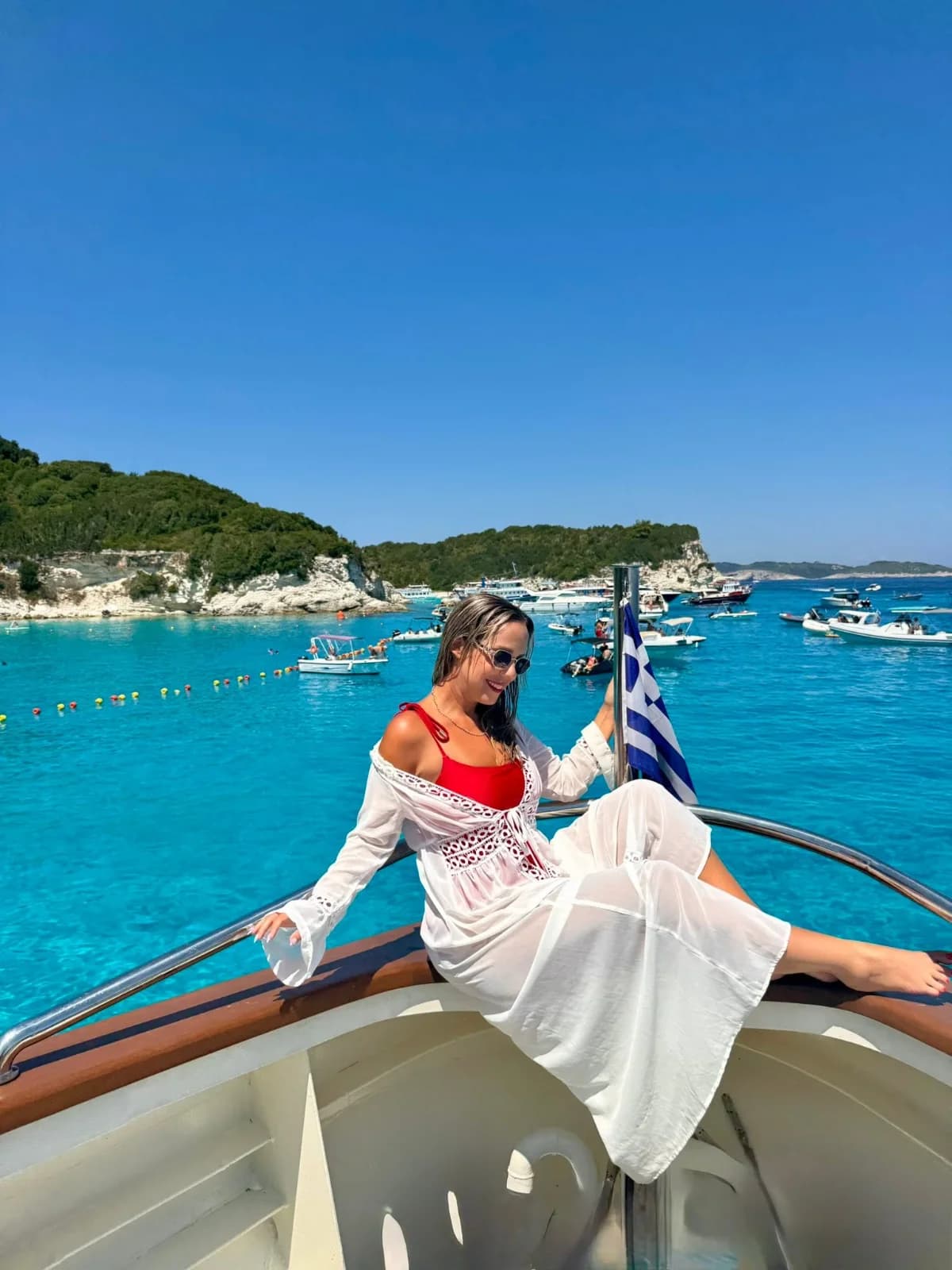
Here's the direct answer: the postcard "Blue Lagoon" is not a walk-up beach on Corfu with a car park and a sign. It's a nickname used for several sheltered, shallow coves with startlingly clear water, and the most famous ones sit around the small islands south of Corfu, particularly Antipaxos and near Sivota on the mainland coast opposite.
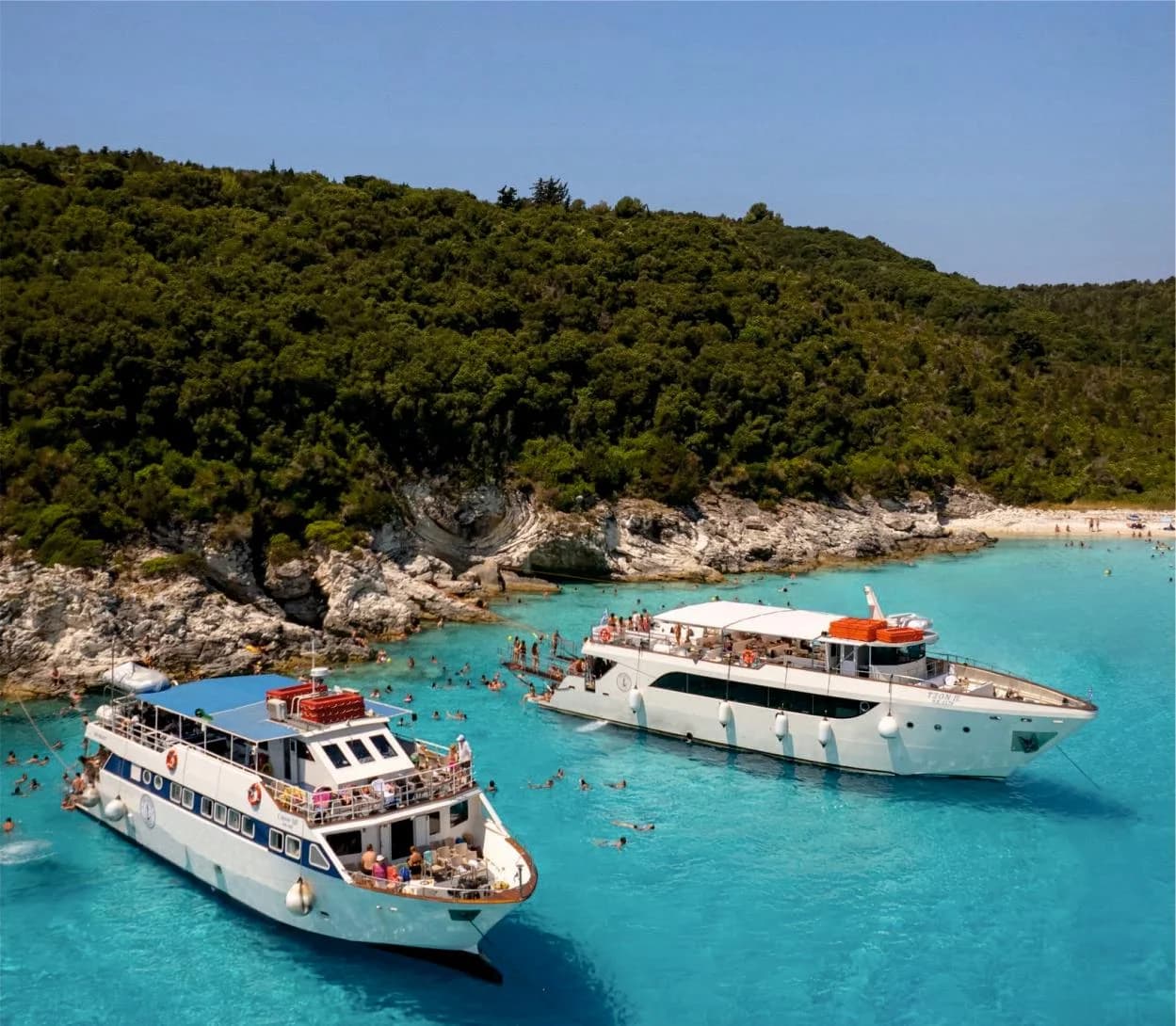
To reach them you take a boat. From Corfu that usually means a full-day cruise leaving from a southern harbour or from Corfu Town's port, sailing roughly 90 minutes to two hours south before you're anchoring over that bright water. Some operators use the "Blue Lagoon" name loosely for a specific anchorage stop on the itinerary, so always check the exact route before you book.
A useful mental model: think of it as a destination you sail to, not a spot you park at. Once you accept that, planning gets much simpler. You can browse the range of boat tours around Corfu to see which itineraries actually stop at the turquoise coves rather than just cruising past them.
Internal tip from experience: if a listing only says "swim stops" without naming Antipaxos, Sivota or the specific coves, email and ask. The clearest water is at named anchorages, and vague itineraries sometimes mean brief, crowded stops.
Is the Blue Lagoon Actually in Corfu, or in Paxos and Antipaxos?
Mostly the latter, and this is the single point that clears up nearly all the confusion. When people talk about the "Blue Lagoon Greece Corfu" they've usually seen images shot around Antipaxos, a tiny island south of Paxos, where coves like Voutoumi and Vrika have that glowing shallow-water look. Corfu is simply the base most travelers fly into and sail from.
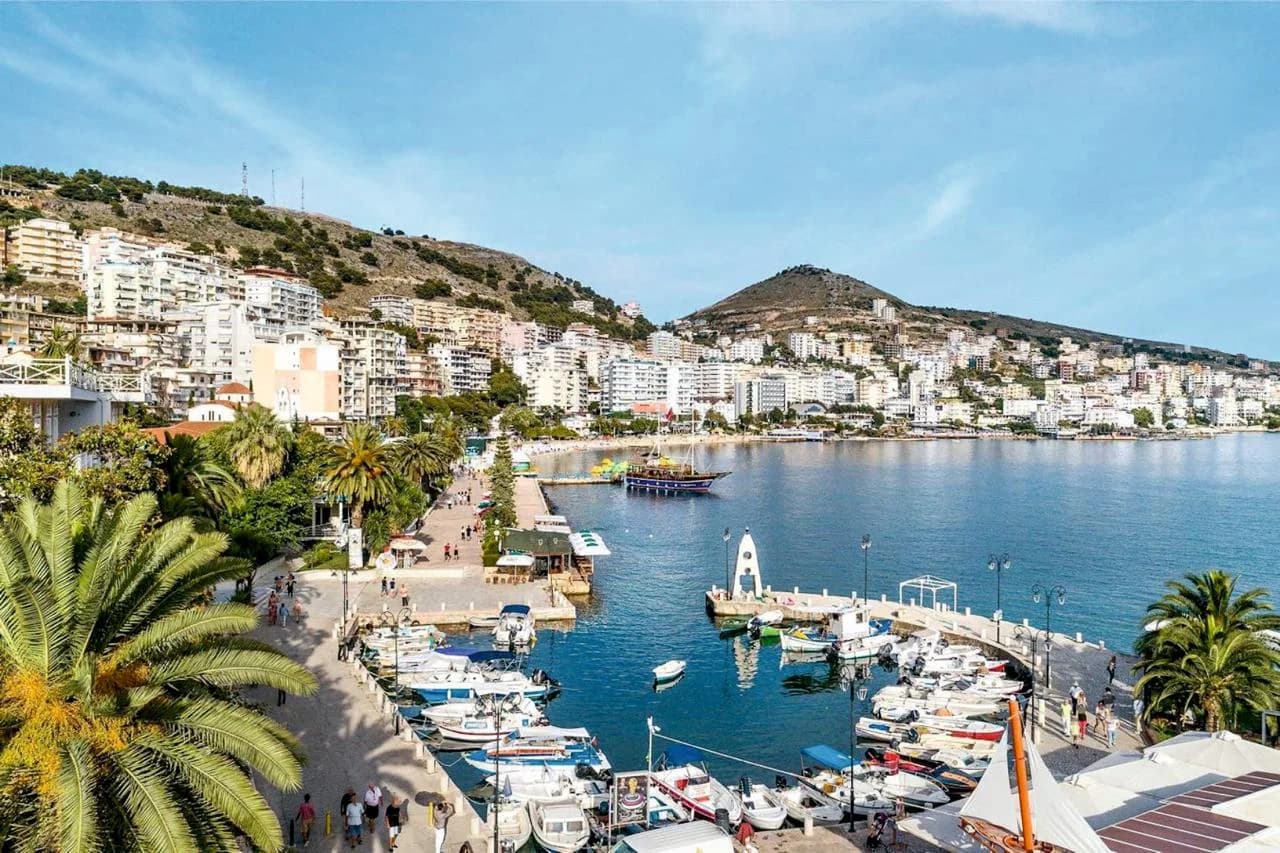
There's a second "Blue Lagoon" further along the mainland coast near Sivota, a cluster of islets and shallow channels where the water turns the same electric colour. Day boats from Corfu and from the Sivota side both reach it.
So when your search engine shows Corfu results for "blue lagoon in corfu," it's reflecting the reality that Corfu is the gateway. The water itself is a short sail away.
A quick orientation of the main turquoise options linked to Corfu:
Antipaxos coves (Vrika, Voutoumi): the classic bright turquoise, reached by longer day cruises. Sivota area lagoons: shallow channels between islets, often on the same or similar trips. Paxos sea caves and blue water: usually paired on the same full-day route. Corfu's own clear coves: Paleokastritsa, Porto Timoni, and pockets of the north-east coast.
If a trip to the outer islands appeals, our overview of the best boat day trips from Corfu lays out how the routes differ so you can match one to your energy level and your group.
Blue Lagoon Corfu Boat Trip: What to Expect on the Day
A typical full-day trip runs 6 to 8 hours door to door, with roughly three to four hours of actual sailing split across the day and the rest spent anchored at swim stops and a lunch break on Paxos or Antipaxos. Boats range from large multi-deck cruisers carrying a couple of hundred people to small private launches for six to ten.
The rhythm usually goes like this. Morning departure, a scenic run south past the Corfu coastline, a first swim stop at a cove, then a stop at a Paxos harbour village for lunch and a wander, another turquoise swim stop in the afternoon, and a late-afternoon return. On the bigger boats there's a bar and toilets on board; on small boats you get flexibility and quieter anchorages but fewer facilities.
What to know before you commit: the large cruisers are cheaper per head and sociable but can feel packed at the swim stops, and you're on the operator's schedule. Small-group or private boat trips cost more but let you linger at the clearest coves and skip the crowds. If your priority is that unhurried swim in glassy water, the smaller option earns its price.
Common mistake to avoid: booking the very cheapest large-boat ticket and then being disappointed by a 20-minute swim stop shared with three other boats. Read what the swim-stop time actually is.
For the exact departure points, current schedules and prices, check the live listings on our boat tours page — pricing shifts with season and boat size, so we'd rather point you to the real numbers than quote something that dates.
Can You Swim at the Blue Lagoon, and Is It Good for Families?
Yes, swimming is the whole point, and the sheltered coves are among the calmest water you'll find in the Ionian. The turquoise areas are shallow over pale pebble and rock, so visibility is superb and the sea stays warm and flat on a normal summer day. For confident swimmers and kids from roughly age six upward who are comfortable in water, it's close to ideal.
A few honest caveats. The famous coves have little to no natural shade, and the shallow shelf can drop off quickly a short way out, so young children need constant supervision and ideally a float or life vest, which small-boat operators often carry. Boarding and disembarking on a busy large cruiser involves ladders and a bit of a scramble; that's fine for able adults but awkward with a toddler in arms. Toilets on the big boats can get busy at peak times.
Practical family tips from days on the water:
Bring water shoes; some entry points are pebbly or rocky. Pack more sun protection than you think, because there's no escaping the midday sun at anchor. Feed kids before the swim stops rather than during, since lunch stops are on land and timed to the itinerary. Choose a smaller boat if anyone in the group is nervous about crowds or deep water.
Toddler with you? A calm Corfu cove with a gentle sandy or shingle entry can be a better bet than a long boat day. That's a fair trade-off to make honestly rather than force a six-hour trip on a two-year-old.
How to Get to the Blue Lagoon: Departure Points and Logistics
Departures cluster in two main areas. Corfu Town's port is the hub for the larger scheduled cruisers, convenient if you're staying in or near the town or the east coast resorts. Southern harbours such as those near Kavos serve trips that reach Paxos and Antipaxos with a shorter open-water crossing, which suits travelers based in the south of the island.
Getting to your departure point is the part people underestimate. If you're staying in the north-west around Paleokastritsa, allow a real hour or more to reach Corfu Town in summer traffic. Rather than stress the morning schedule, many visitors pre-book a transfer or drive and park early.
A few logistics worth locking in:
Arrival time: be at the harbour 30–45 minutes before departure in peak season. Transport: consider a private airport and island transfer if you don't want to drive on trip day, especially for an early start. Self-drive option: renting a car gives you freedom to reach southern departure points and combine the trip with beaches nearby; see car rentals in Corfu. Parking: harbour parking fills early in July and August, so leave a buffer.
Internal tip: if you plan several water days, renting your own small boat for the calmer, closer coves and saving the long cruise for the outer islands is a smart split. Corfu has boat and small-vessel rentals that don't require a licence for the lower-power models, which is perfect for exploring the north-east bays at your own pace.
The Best Turquoise Beaches and Coves in Corfu Itself
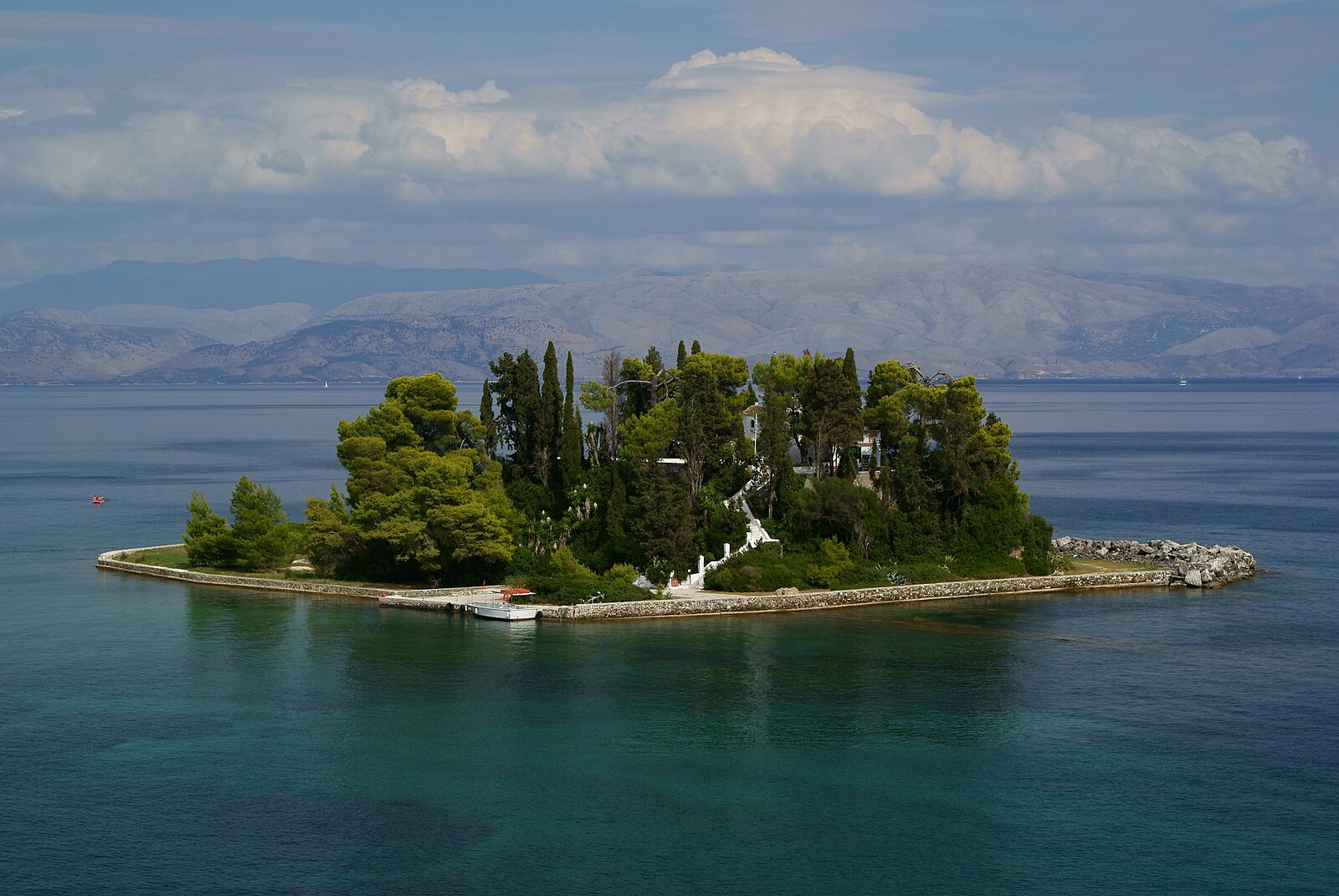
Beyond the boat-trip lagoons, Corfu has its own collection of clear-water spots that reward the effort of reaching them. These are the ones we send people to when they want that turquoise hit without a full day at sea.
Paleokastritsa on the west coast is the headline act, a series of green-clad coves with clear water and small boats running to sea caves. It gets busy by late morning, so arrive early. Porto Timoni, reached by a footpath down from Afionas village, gives you a double bay with striking colour and far fewer crowds if you're willing to walk about 20 minutes each way over uneven ground. Bring proper shoes.
On the north-east coast, the small bays around Kalami and Agni have that clear Ionian blue with the bonus of excellent tavernas right on the water. And in the far north-west, the sandy sweep of the Sidari and Cape Drastis area shows off carved rock formations and shifting sea colours.
Quick comparison of effort versus reward:
Paleokastritsa: easy access, high crowds, classic scenery. Porto Timoni: moderate walk, lower crowds, dramatic double bay. Kalami and Agni: easy, calm water, best for a swim-and-lunch day. Cape Drastis and Sidari: easy access, unusual rock scenery, good for photos.
For more on the coastline and inland highlights, our guide to Corfu's attractions is a useful companion when you're piecing together a route.
When to Go and How to Beat the Crowds
Timing changes everything at the turquoise coves. The water looks its brightest under high, direct sun, roughly from late morning to mid-afternoon, which is exactly when the crowds and boats concentrate. The trick is to be early to the swim stop, not to chase the perfect light.
Season matters too. June and September give you warm water, long days and noticeably thinner crowds than the July–August peak. In high summer, book any boat trip two to four days ahead, and aim for morning departures so you hit the first coves before the fleet arrives.
Insider habits that pay off:
Go on the earliest departure you can face; the first hour at a cove is the calmest. Avoid weekends in peak season if you can, when local day-trippers add to the numbers. Watch the wind. A strong afternoon breeze can chop up otherwise glassy water, so morning stops are usually clearer. Skip the trip entirely on a grey day, because the colour depends on sun; reschedule if the forecast turns.
Mistake to avoid: assuming the water always looks like the photos. On an overcast day or in choppy conditions the famous turquoise flattens to ordinary blue. The colour is a product of clear water, pale seabed and strong sun together.
What to Pack and Practical Tips for the Day
A little preparation turns a good day into a great one. Pack as if you'll be on the water and off it, since most trips mix swimming with a village stop. The essentials rarely change.
Bring reef-safe sunscreen and reapply after every swim, a hat and sunglasses, a light cover-up for the exposed decks, and water shoes for pebbly entries. Carry more drinking water than you expect and some snacks, because on-board prices are high and lunch timing depends on the itinerary. A dry bag protects your phone and cash at anchor. A snorkel mask is genuinely worth it in water this clear.
Two practical reminders. Cash is handy for the smaller village tavernas and beach kiosks that don't always take cards. And motion sickness is real for some on the open-water crossing, so if you're prone to it, take something before you board rather than mid-crossing.
If you'd rather have the whole day handled, our team is happy to help match a trip to your group and answer route questions before you commit — just get in touch and tell us who's traveling and where you're based on the island.
Frequently Asked Questions
Where is the Blue Lagoon in Corfu and how do I get there? The turquoise water people call the Blue Lagoon is reached by boat rather than by car. Most travelers sail from Corfu Town or a southern harbour on a full-day trip heading toward Antipaxos and the Sivota area, a crossing of roughly 90 minutes to two hours each way, with several swim stops along the route.
Is the Blue Lagoon actually in Corfu or in Paxos and Antipaxos? The most photographed turquoise coves sit around Antipaxos, the small island south of Paxos, and near Sivota on the mainland coast. Corfu is the base you fly into and sail from, which is why it comes up in searches even though the famous water is a short boat ride away.
How much does a Blue Lagoon boat trip from Corfu cost? Prices vary with the season, the boat size and whether you choose a large scheduled cruiser or a small private launch. Large-boat tickets are the most economical while private and small-group trips cost more but give you quieter coves and longer swim stops. Check current listings on our boat tours page for live pricing.
Can you swim at the Blue Lagoon and is it good for families? Yes. The sheltered coves are calm and shallow with excellent visibility, which suits confident swimmers and older children well. Younger kids need close supervision because the shelf can drop off, and there's little natural shade, so bring floats, water shoes and plenty of sun protection.
What other turquoise coves near Corfu are worth visiting? On the island itself, Paleokastritsa, Porto Timoni, the north-east bays at Kalami and Agni, and the Cape Drastis area near Sidari all offer clear water without a full day at sea. Each has a different balance of access, crowds and scenery.
Do I need to book the boat trip in advance? In July and August, yes. Book two to four days ahead for the popular departures, and choose a morning slot to reach the coves before the rest of the fleet. In June and September you have more flexibility and thinner crowds.
Planning Your Turquoise Day in Corfu
The Blue Lagoon lives up to its reputation once you understand what it really is: a set of glowing coves you sail to, not a beach you drive to. Get the logistics right — an early start, the boat that matches your group, and a clear-sky day — and you'll get that swim in impossibly clear water that sends everyone home with the same photos that pulled you here.
When you're ready to make it happen, browse our Corfu boat tours and day trips to find a route that stops at the coves you actually want to see, and reach out if you'd like help choosing. We'd rather get you to the right water than the nearest.
Warm seas and calm anchorages — that's the day we want you to have.