Corfu Weather by Month — Your Complete Year-Round Guide
How hot is August? Is October worth it? Your complete month-by-month guide to Corfu's weather — temperatures, sea, rainfall, and what to pack all year round.

Corfu is one of the greenest islands in Greece, and that's no accident. It receives more rainfall than most of its Aegean cousins, and precisely because of this it stays lush, blooming, and dotted with waterfalls long after other islands have turned dry and golden. After many seasons guiding travelers across the island — from the flowering spring right through the warm October days on the shore — we've learned that the question "when is the best time to come?" depends entirely on what you're looking for. In this guide we've pulled together everything you need to know about Corfu weather by month: air and sea temperatures, rainfall, what to pack, and exactly when each month suits you best.
Key Takeaways
- Summer (June–September) is hot, dry, and perfect for the beach; July and August are the peak — for heat and crowds alike.
- September and October are a well-kept secret: warm seas, thinner crowds, and gentler prices — the season seasoned travelers love most.
- Spring (April–May) is green, blooming, and ideal for hiking and nature, though the sea is still cool for swimming.
- Winter (November–March) is rainy and quiet; some tourist businesses close, but the island turns authentic and inexpensive.
- Sea temperature lags behind the air — it peaks in September, not July.
Overview: A Mediterranean Climate With a Green Twist
Corfu has a classic Mediterranean climate — hot, dry summers and mild, wet winters. But unlike the Aegean islands (think Santorini or Mykonos), Corfu sits in the Ionian Sea, close to the coasts of Albania and mainland Greece, and picks up far more moisture. The result is a landscape of unexpected beauty: slopes cloaked in ancient olive trees, cypresses, forests, and endless shades of green.
For a traveler, that means two things. First, the comfortable beach season stretches across a solid five months (May to October). Second, winter is genuinely wet — anyone arriving between November and March should pack rain gear and expect grey days. The good news: the rain is concentrated mainly in autumn and winter, while summer is almost entirely dry.
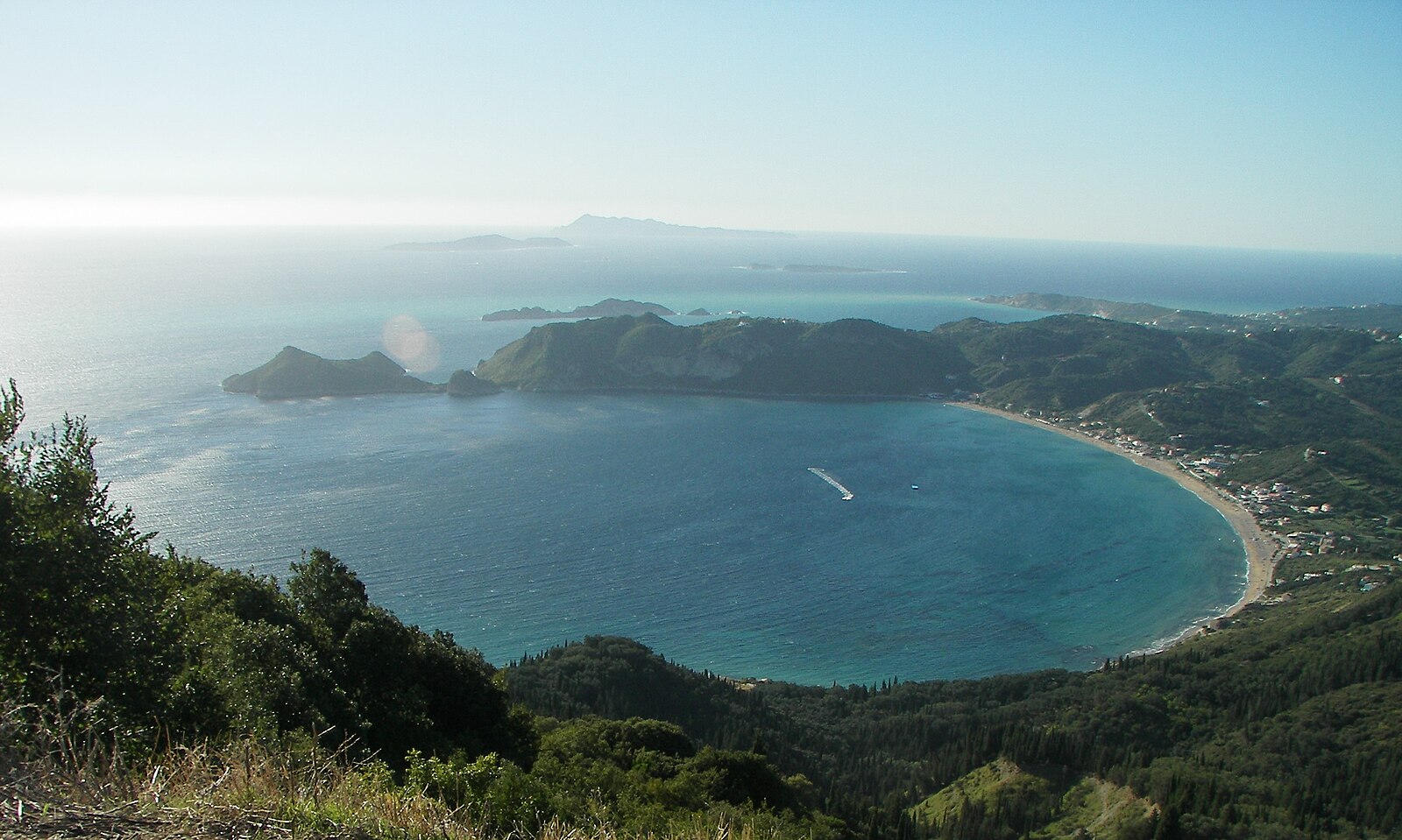
Insider tip: Corfu is large and topographically varied. The west coast (Paleokastritsa, Agios Gordios) is more exposed to wind and swell, while the sheltered east coast and its protected bays stay calmer. If a windy day is forecast, choose a beach on the eastern or northeastern side.
Spring in Corfu: March, April, and May
Spring is when Corfu reaches the peak of its green beauty. The fields explode with wildflowers, the waterfalls run strong from the winter rains, and temperatures are pleasant for anything outdoors.
March is still half-winter — daytime temperatures of around 12–16°C, frequent showers, and a sea too cold for swimming. That said, it's a wonderful month for photography and nature.
April warms noticeably: 16–20°C, longer days, and less rain. This is one of our favorite months for hiking and cultural touring in Corfu Town.
May already feels almost like summer: 22–26°C by day, generous sunshine, and a sea that starts to warm up (around 19–20°C — bearable for the brave). It's an excellent month for anyone who wants to combine beach time with walking, minus the fierce heat of July.
Best time: mid-April through late May, for nature and hiking. What to pack: layers — cool mornings, warm afternoons. A light jacket for the evenings, and a rain shell in April. Common mistake to avoid: expecting long swims in March or April. The sea is still cold. If the beach is your goal, hold out for May onward.
This is also the perfect window for island tours and excursions to the main attractions, when the weather is pleasant and the sites aren't yet crowded.
Early Summer: June
For many, June is the perfect month in Corfu. The weather is already fully summery — 26–29°C by day, near-guaranteed sunshine, and rain a rarity — yet the tourist crush hasn't peaked and prices remain gentler than in July or August.
The sea climbs to around 22–23°C, comfortable for long swims. Daylight is at its maximum, with light lingering until roughly 8:45 in the evening — ideal for long beach days and sunsets.
Getting to the best beaches: Paleokastritsa bay in the northwest, with its clifftop monastery and turquoise water, peaks in June before the August congestion. It's easily reached by rental car along a scenic mountain road, about 45 minutes from town.
How much time to allow: at least a full day for each beach region, since distances on the island take time thanks to winding roads.
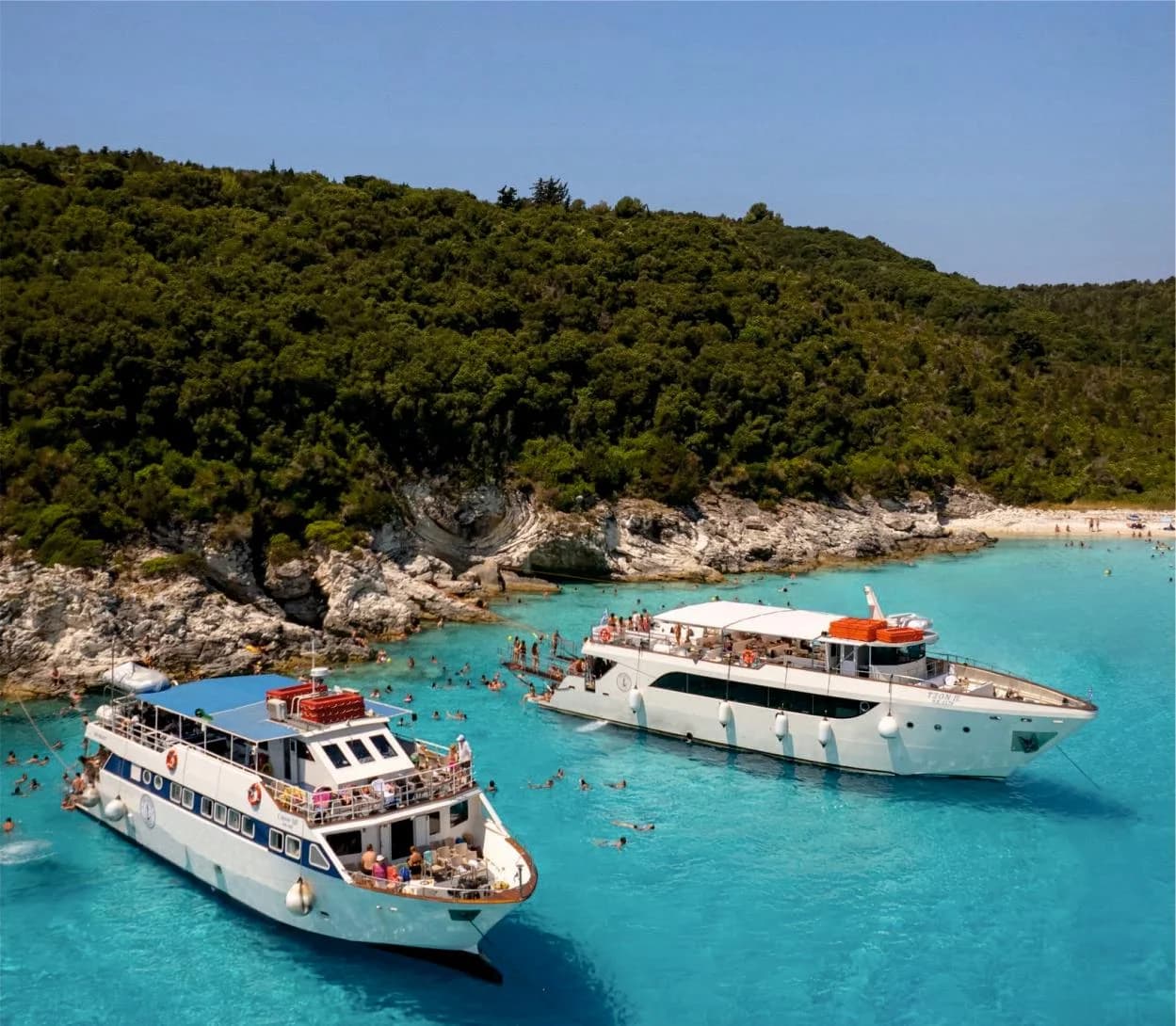
Insider tip: June is the golden window for sailing. The sea is calm, the heat is bearable, and you can still discover secluded bays. If you're planning a day on the water to explore hidden coves, this is the month to book.
Peak Summer: July and August
These are the hottest, busiest, and most vibrant months. Temperatures range from 30–34°C by day, occasionally higher during heat waves. Humidity is noticeable, especially in towns and valleys. Rain is all but non-existent — clear day after clear day.
Sea temperature settles around 25–26°C — perfect for swimming at any hour. This is also the peak of island life: full restaurants, festivals, and buzzing nightlife.
The upside: a festive atmosphere, every attraction open, full services. The downside: crowded famous beaches, high prices, and the need to book everything well in advance.
Insider tip for the heat: head to the beach or set out on hikes early in the morning (before 11:00) or after 17:00. Avoid walking in the midday hours — the heat can be dangerous. A beach like Glyfada, or the sheltered coves on the eastern side, tend to be more protected and pleasant.
What to bring: a hat, strong sun cream (SPF 50), a large water bottle, and water shoes for the pebble beaches.
What to avoid: don't arrive at Paleokastritsa at midday in August — parking is packed and the beach is heaving. Come in the morning hours instead.
For easy movement around the island at peak season, it's worth arranging a rental car for independent travel between beaches in advance, since public transport is limited and distances are considerable.
The Best-Kept Secret: September and October
If you ask us when the very best season is, the answer is almost always September. This is the month when Corfu gives its finest: the sea at its warmest (26°C, the hottest of the whole year!), the air still summery (27–30°C), but the August crowds have dispersed and prices are dropping.
September is a dream for travelers: long, warm days, a perfect sea, restaurants open without queues, and nature still green. It's no coincidence that searches like "Corfu in September" keep climbing — this is the month experienced travelers choose.
October cools gradually: 22–26°C by day early in the month, dropping to 19–22°C toward its end. The sea stays pleasant for swimming through mid-October (around 23–24°C). The first rainy days begin to appear, but there's still plenty of sunshine. It's an excellent month for anyone who loves peace, gentle prices, and soft temperatures.
Insider tip: by late October some tourist businesses in the smaller villages begin closing for the season. If you're planning a late-October trip, check in advance that the restaurants and services in your area are still operating. Corfu Town itself is active year-round.
What to pack: summer clothing for the day, a light layer for October evenings, and a small umbrella just in case.
This is the ideal season to combine beach time with culinary tours to sample the local cuisine, when the atmosphere is relaxed and the restaurants less crowded.
Winter in Corfu: November Through February
Winter is the other side of the island — quiet and authentic. Temperatures range between 10–16°C, and the rain is at its peak; November and December are the wettest months of the year. The sun still breaks through between storms, but expect grey days and heavy downpours.
This is not a time for the beach, but it is a fascinating time to discover the real Corfu: the Old Town (a UNESCO World Heritage Site) empty of tourists, thick steaming coffee in the local cafés, and life unfolding at a slow, genuine pace. Prices bottom out, and flights are cheap.
Important to know: many businesses in the resort areas (Sidari, Acharavi, Paleokastritsa) close in winter. Activity concentrates in Corfu Town. If you're after cultural quiet and authenticity, it's magical. If you're after beach and nightlife, this is the wrong season.
Insider tip: February brings the colorful Carnival celebrations to Corfu Town — a spectacular local experience that few travelers know about.
Comparison Table: The Month That's Right for You
| Month | Day Temp | Sea Temp | Rainfall | Best For |
|---|---|---|---|---|
| March | 12–16° | 15° | High | Nature, photography, budget |
| April | 16–20° | 16° | Moderate | Hiking, culture |
| May | 22–26° | 19° | Low | Hiking + gentle beach |
| June | 26–29° | 23° | Very low | Beach, sailing, great value |
| July | 30–33° | 25° | Near zero | Beach, nightlife |
| August | 31–34° | 26° | Near zero | Peak summer, families |
| September | 27–30° | 26° | Low | The ideal season |
| October | 19–25° | 23° | Moderate | Quiet, gentle prices |
| November | 15–18° | 20° | Very high | Culture, budget |
| December–February | 10–15° | 15–16° | High | Authenticity, Carnival |
Recommendations by Type of Traveler
Beyond the months themselves, it's worth matching your timing to your holiday style:
- Families with children: June or September — bearable heat, warm and safe seas, and less congestion than August.
- Couples and romance: May or September — perfect weather, beautiful sunsets, and a relaxed atmosphere.
- Nature and hiking lovers: April–May — the greenest, most blooming, and most pleasant for walking.
- Nightlife and action seekers: July–August — every bar and club running at full tilt.
- Budget travelers: May, October, or November — flight and accommodation prices significantly lower.
In each of these seasons you can discover a different face of the island through the wide range of recommended attractions and sites in Corfu, which suit any weather — from the beach to the fortresses and the mountain villages.
Frequently Asked Questions
When is the sea in Corfu warmest? In September, surprisingly — not July. The sea stores heat throughout the summer and peaks at around 26°C in September, making it the perfect month for long swims.
Can you swim in the sea in Corfu in October? Yes, mainly in the first half of the month. The sea stays around 23–24°C, comfortable for swimming. Toward the end of October the first storms arrive and the water cools, but plenty of sunny days are still possible.
Which is the rainiest month in Corfu? November and December are the wettest, with frequent, heavy rain. Corfu generally receives more precipitation than the other Greek islands — which is exactly why it's so green.
Is it worth visiting Corfu in winter? It depends on your goal. For beach and nightlife — no. For culture, quiet, low prices, and authentic atmosphere — absolutely. Just remember that many businesses in the resort areas are closed, and activity concentrates in Corfu Town.
Which is better — June or September? Both are excellent. In June the air is a touch cooler, nature is greener, and the crowds haven't arrived yet. In September the sea is warmer and the atmosphere calmer after the summer wave. If the sea matters most to you, choose September; if green nature is your priority, choose June.
What should I wear in Corfu in August? Light summer clothing, a wide-brimmed hat, sunglasses, strong sun cream, and comfortable shoes for pebble beaches. There's no need for warm layers — the nights are pleasant too.
Conclusion: The Right Month Depends on You
The magic of Corfu is that there's really no "bad" season — just different seasons that suit different people. If you're a sun-and-beach chaser, aim for June through September. If you're after the golden combination of warm seas without the crowds, September is the safe bet, and it's no coincidence it's the most sought-after month among experienced travelers. Nature and culture lovers will delight in the green spring, and those seeking authenticity and a low budget will find exactly what they're looking for in the quiet winter.
Whatever you choose, planning ahead makes all the difference between a good holiday and a perfect one. At Corfu Paradise Tours we know the island in every season and are glad to help you build the holiday that's exactly right for you. Get in touch to plan your perfect Corfu holiday — and we'll tailor the experience to your month, your budget, and your style. Corfu is waiting for you, in every season of the year.