
Corfu FAQ — Straight Answers from a Local Guide
Planning a trip to Corfu and have questions? We've compiled the most common things travelers ask — with real, on-the-ground answers from local guides who live and breathe this island.

When Is the Best Time to Visit Corfu?
One of the most common questions we get from travelers planning a trip to Corfu is simple: when? The answer depends on what you're looking for — buzz and energy, peace and authenticity, or something in between.
The Island's Seasons — What to Expect Each Month
Corfu is a Mediterranean island that runs on a very seasonal rhythm. Here's a quick overview:
| Month | Weather | Tourist Crowds | Prices |
|---|---|---|---|
| March–April | 64–72°F, green and occasionally rainy | Very low | Very cheap |
| May | 75–81°F, pleasant sunshine | Moderate | Good value |
| June | 81–86°F, warm sea | Moderate–high | Good |
| July–August | 90–97°F, very hot | Peak — very crowded | High |
| September | 81–86°F, full sunshine | Gradually decreasing | Good value |
| October | 72–77°F, pleasant | Low | Cheap |
Worth knowing: Corfu welcomes around 2 million tourists a year, with the vast majority arriving between June and August. The island is relatively small — about 230 square miles — so the crowds at peak summer are very noticeable.
Peak Season vs. Shoulder Season — Prices and Crowds
In July and August, accommodation prices can run 40–60% higher than in May or September. Popular restaurants require advance reservations, beach parking fills up fast, and even the most sought-after tours sell out quickly. If you're traveling with young children, older relatives, or simply want a more relaxed experience — shoulder season is the greatest gift you can give yourself.
Our Guide's Recommendation: May, June, and September — Here's Why
Based on our on-the-ground experience, May, June, and September are the three best months for travelers. The sea is already warm (77–81°F in September), the sun is in full force, restaurants are accessible, prices are reasonable — and most importantly, the island still feels like a place where you can breathe. September in particular is the well-kept secret of those who truly know Corfu.
How Many Days Do You Need in Corfu?
A classic question we hear every season. The answer: it depends on what you want, but there are a few guiding principles.
3 Days — What You Can Realistically See
Three days is the functional minimum. With a smart itinerary, you can fit in:
- Day 1: Corfu Town — the Old Town (UNESCO World Heritage Site), the Liston promenade, the market, dinner in the Venetian quarter
- Day 2: The northern beaches — Glyfada Bay, Roda, or Sidari — quiet shores and blue water
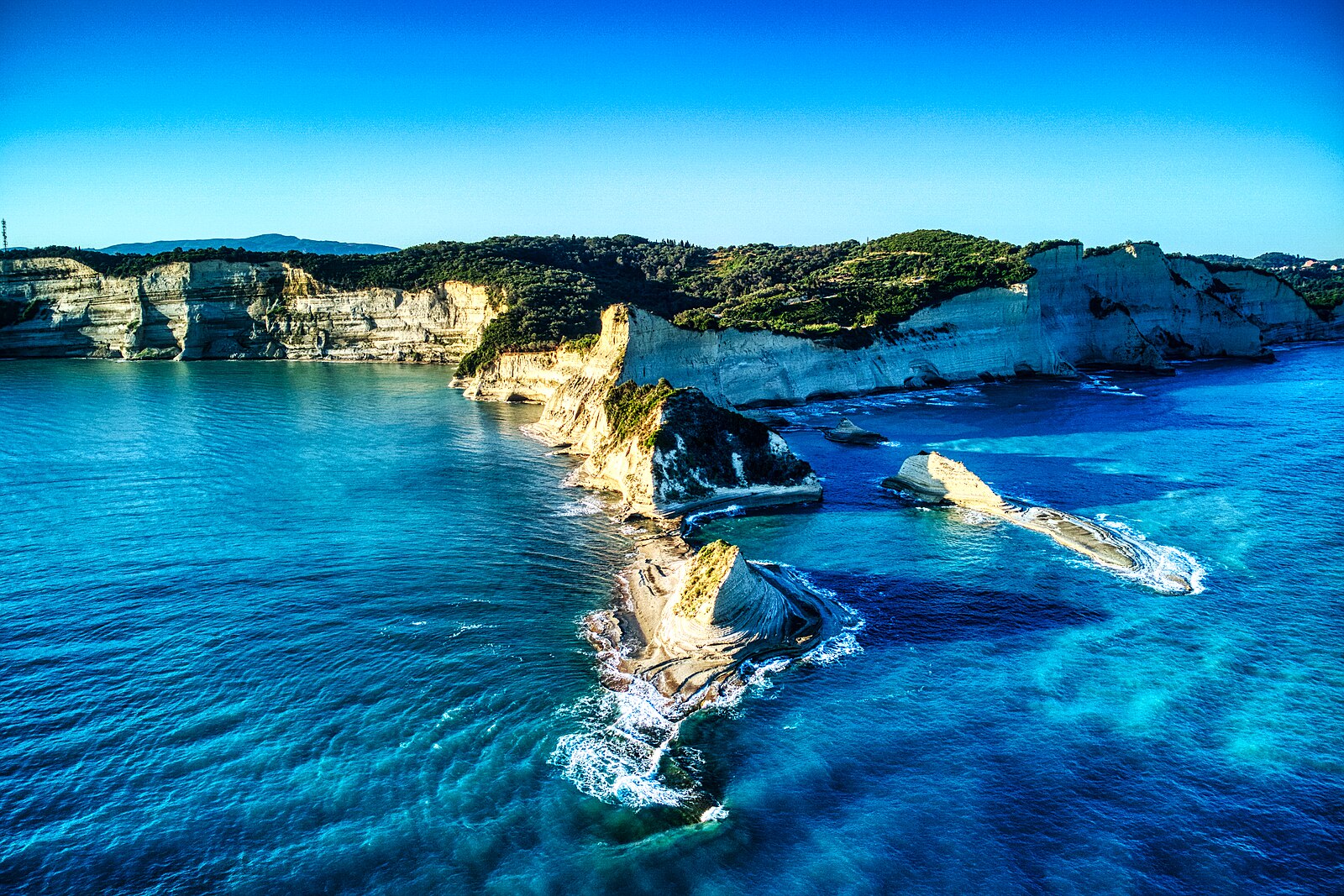
- Day 3: Paleokastritsa — the legendary bay with a Byzantine monastery and turquoise water
Three days won't be enough to experience the villages, eat like a local, or take a boat trip. But if you have an extended weekend — it's absolutely worth it.
5–7 Days — The Full Experience
A week in Corfu is the real deal. With 6–7 days you can:
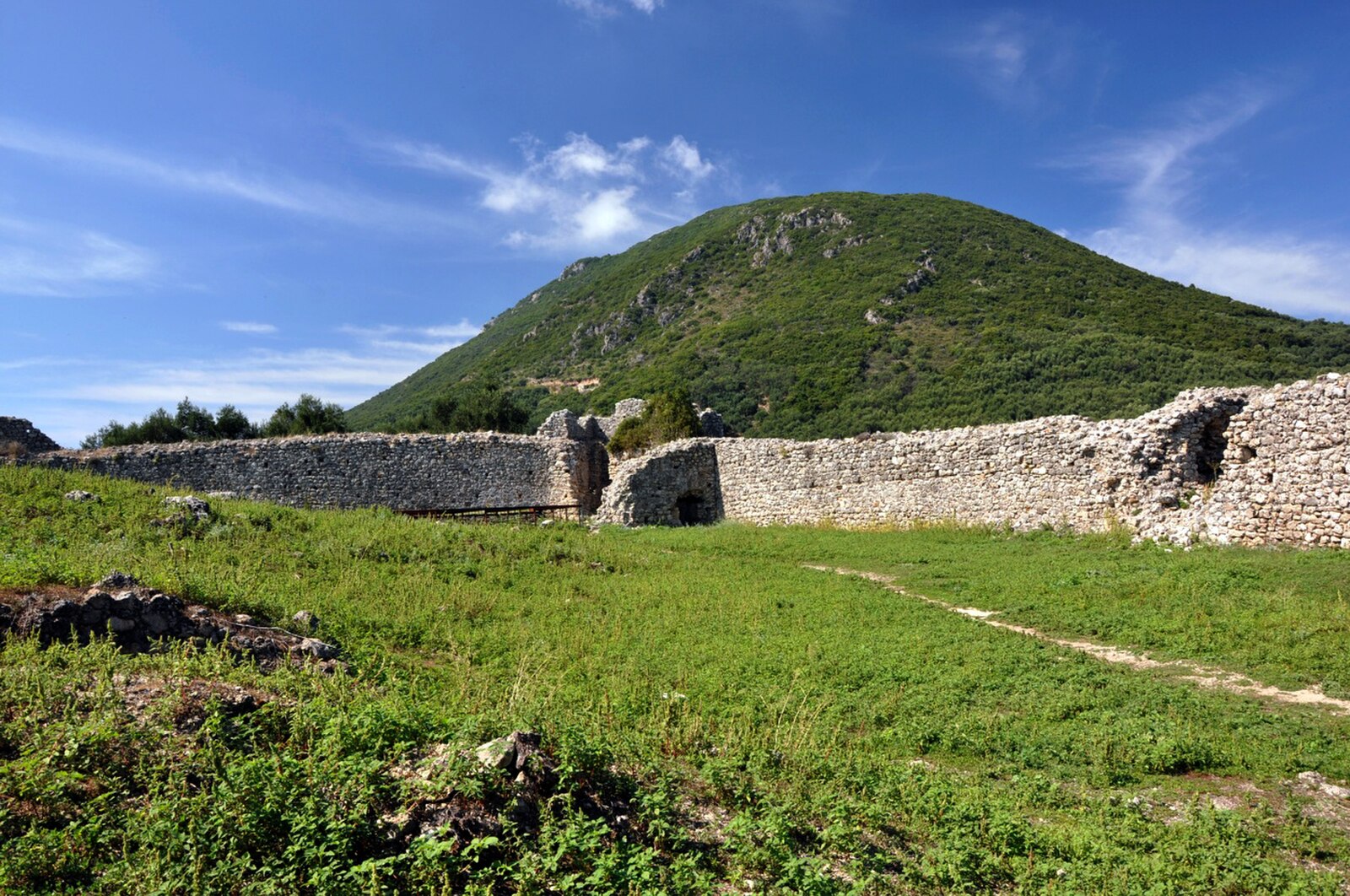
- Visit villages like Pagi, Lakones, and Perithia (the abandoned Byzantine-era village)
- Join a tastings and boat tour to small islands and hidden coves
- Eat at a local taverna that no tourist would ever find on their own
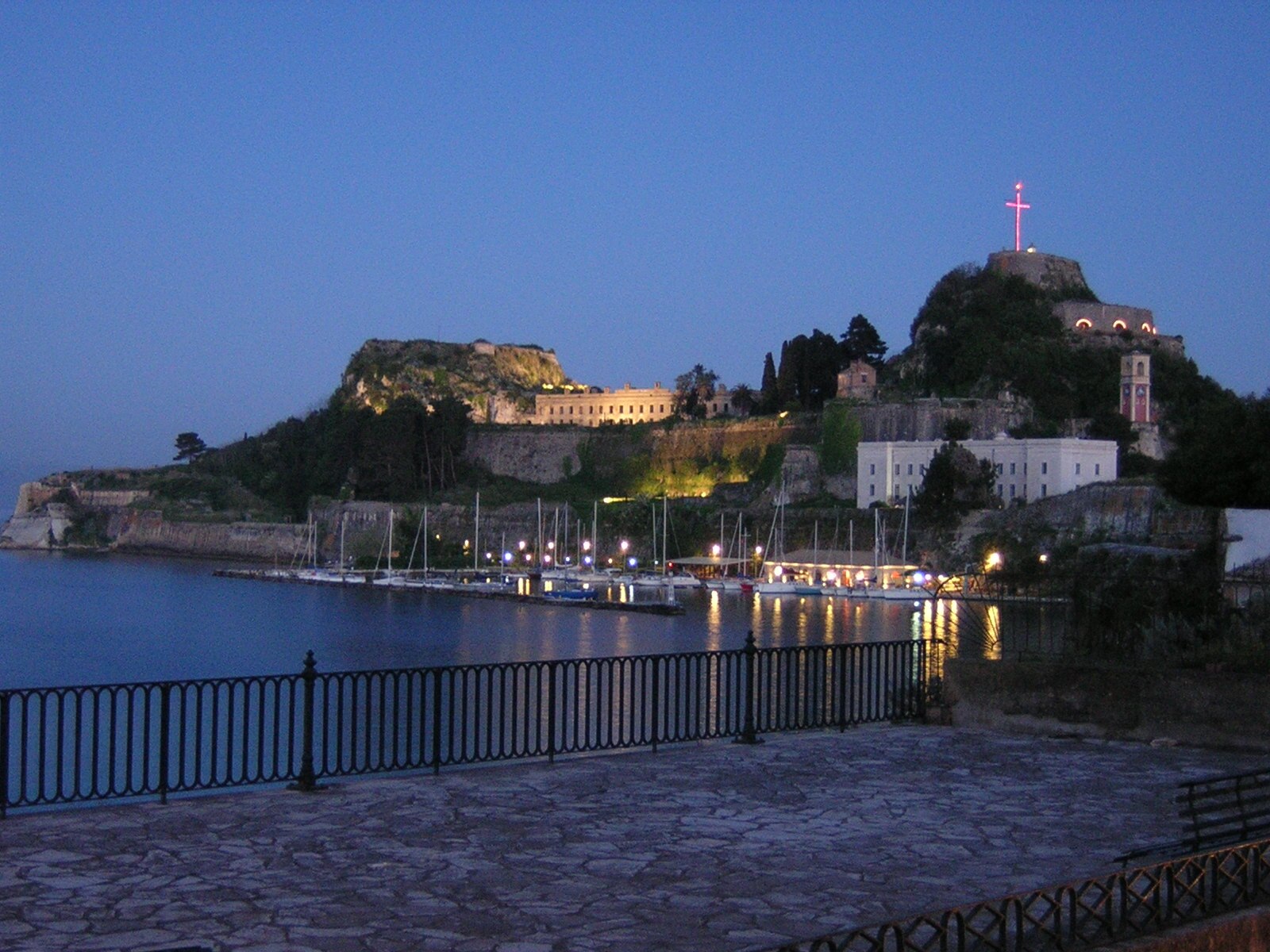
- Watch the sunset from the Venetian fortress — one of the island's most unforgettable moments
How to Split Your Time Between Corfu Town, Beaches, and Villages
The recommended formula for a week-long trip:
- 2 days — Corfu Town and surroundings (market, sights, nightlife)
- 2 days — Beaches (north + west coast)
- 2 days — Village excursions, boat trips, local experiences
- Day 7 — Free, based on what you loved most
How Much Does a Trip to Corfu Cost — Real Numbers from the Field
This is one of the most common Corfu questions on travelers' minds before they book. Let's be straight about it.
Accommodation: What's the Realistic Price Range
| Type of Accommodation | Price Range per Night (per room) |
|---|---|
| Hostel / basic Airbnb | €30–60 |
| 3-star hotel | €70–120 |
| 4-star hotel | €120–200 |
| Villa / luxury boutique | €200–500+ |
During shoulder season (May, September), prices run 30–40% lower than in August. Book early — Corfu fills up fast even in the shoulder months.
Food and Restaurants: Cheap Eats vs. Culinary Experiences
Greek food is some of the best in Europe, and it doesn't have to cost a fortune. Here are some reference points:
- Lunch at a local taverna: €10–15 per person
- Dinner at a mid-range restaurant: €18–28 per person
- Gastronomic dinner: €40–60 per person
- Gyros / street food: €3–6
If you want to truly understand the local flavors, our culinary tour of Corfu Town is one of the most engaging experiences you can have — including tastings, stories, and meetings with local producers.
Getting Around: Taxi, Bus, Rental Car — What's Best?
- Public bus (KTEL): Available and affordable (€2–4 per ride), but limited routes and infrequent service
- Taxi: Convenient but expensive for longer distances. Airport to town runs about €15–20
- Rental car: Our top recommendation for anyone who wants freedom. Costs €30–55 per day in shoulder season. Lets you reach villages and hidden beaches that no bus ever goes to
Tours and Activities — Worth the Investment?
Absolutely, especially guided tours in your language. They save time, provide cultural context, and maximize every hour. Our private tour to Paleokastritsa, for example, includes stops that no other guide will take you to.
Is Corfu Safe for Tourists? What You Need to Know
There's far less to worry about here than most people expect.
Security Situation and How Locals Treat Tourists
Corfu is one of the safest destinations in Europe. The island has welcomed international tourists for decades, and the reception is warm and welcoming. Greece as a whole is known for its filoxenia — love of strangers. This is not a destination with any particular political tension, and many visitors return year after year.
Travel Insurance — What You Must Check
Don't skip travel insurance. Make sure your policy covers:
- Medical care — including hospitalization (treatment can cost hundreds to thousands of euros)
- Medical evacuation if needed
- Flight cancellation — especially important during peak season
- Water sports coverage if you're planning to snorkel, kayak, etc.
Basic Health Tips for a Greek Summer
- Sun: Between 12:00–4:00 PM, UV radiation is intense. SPF 50 sunscreen, a hat, and water are non-negotiable
- Hydration: Drink at least 2–3 liters of water per day in summer
- Sea: Most of Corfu's beaches are safe for swimming. Watch for warning flags and jellyfish in August–September
- Medications: Bring basic medicines from home — pharmacies exist in town but staff don't always speak English
How to Get to Corfu from Abroad
Direct Flights vs. Connecting Flights
During summer (typically May through October), direct flights operate to Corfu from many European cities, including charters from Israel with airlines such as Israir and Arkia. This is the most convenient and fastest option. Outside of the season, a connection through Athens, Brussels, or another European hub is usually required.
Flight Time and What It Means for Your Schedule
A direct flight to Corfu takes just about an hour and a half from Tel Aviv — making it one of the closest European destinations to Israel. That's one of its biggest advantages. A connecting flight can stretch the journey to 5–7 hours, so it's worth searching for a direct route.
Corfu Airport — What to Know When You Land
Ioannis Kapodistrias Airport (CFU) is small but efficient. A few tips:
- Distance to town: Just 2–2.5 miles — a taxi costs around €15–20
- Car rental: Desks are available directly at the airport — book in advance during peak season
- Busy periods: On Saturdays in July and August, the airport gets very busy — arrive early
What Can You Do in Corfu Beyond the Beach?
This is one of those questions that surprises a lot of people, because the answer is far more than they expect.
Culinary Tours and Local Tastings
Corfiot cuisine is unique within Greece — shaped more by Italian-Venetian culture than by the rest of the islands. Dishes like pastitsada (meat slow-cooked in tomato and spices), sofrito (veal in white wine and garlic), and tsipouro (sharp cheese spread) are must-tries. Our culinary tour of Corfu Town takes you into the heart of the local market and to stalls and restaurants that only locals know about.
Boat Trips to Small Islands and Hidden Coves
From Corfu's western coast, a short boat ride brings you to Paxos and Antipaxos — with turquoise waters that look straight out of the Caribbean. Our tastings and boat tour combines the joy of being out on the water with local tastings in an authentic atmosphere.
Nightlife, Culture, and Historical Sites
- Corfu Old Town — a UNESCO World Heritage Site. The narrow alleyways, Byzantine churches, and Venetian architecture are unlike anything else in Greece
- Mon Repos Palace — the summer residence of the Greek royal family
- Nightlife: Corfu Town offers bars, jazz clubs, and restaurants that run well into the early hours
Quick Questions Everyone Asks — Short, Direct Answers
Do I Need a Visa for Greece?
No. Greece is a member of the European Union and the Schengen Area. Citizens of many countries enter with a valid passport only, no visa required, for up to 90 days within any 180-day period. Check your specific country's requirements before traveling.
What's the Language — Do People Speak English?
The official language is Greek, but English is spoken by most service staff, restaurant workers, and hotel employees. For a fully guided experience in your own language, Click in Corfu's tours are conducted in English and Hebrew.
What's the Currency and How to Handle Cash
Greece uses the Euro (€). It's a good idea to arrive with some cash for market stalls, small tavernas, and local vendors. ATMs are available in town and in larger villages.
Are Credit Cards Accepted Everywhere?
At most restaurants, hotels, and shops — yes. At small village tavernas, market stalls, and rural spots — not always. It's always a good idea to have €50–100 in cash on hand.
FAQ
When Is the Best Time to Visit Corfu?
Shoulder season — May, June, and September — is the ideal time for most travelers. The weather is lovely (81–86°F), the sea is warm, crowds are thinner, and prices are more reasonable than in July and August. If you're after peace and authenticity, September is the sweet spot.
How Many Days Do You Need to See Corfu?
A minimum of 4–5 days to experience Corfu properly: one day for the Old Town, one for the northern beaches, one for Paleokastritsa, and one for wandering villages and eating local. If you have a full week — you're in for a treat.
How Much Does a Trip to Corfu Cost for Two People?
For a couple, staying in a 3–4-star hotel, eating at local restaurants, and doing one or two tours, budget around €150–220 per day. Corfu can be quite affordable by European standards if you know where to eat and what to do.
Is Corfu Safe for Tourists?
Absolutely. Corfu is a relaxed, welcoming international destination with a warm attitude toward visitors. Greece is well known for its hospitality, and thousands of tourists visit the island every year without incident. Just make sure you have proper travel insurance and protect yourself from the sun during peak hours — as with any Mediterranean destination.
Are There Direct Flights to Corfu?
Yes, during the summer season direct flights operate from various cities, including from Israel with airlines such as Israir and Arkia, primarily from Tel Aviv. The flight takes just about an hour and a half — making Corfu one of the closest European destinations you can fly to.
What Is There to Do in Corfu Besides the Beach?
Corfu offers far more than sunbathing: food tours and tastings at the local market, boat trips to small islands and hidden coves, nightlife in Corfu Town, visits to Byzantine villages, and much more. Click in Corfu offers guided tours that let you experience the island at its deepest level.
Wrapping Up — Everything You Need to Know Before You Book
Questions before a trip are completely natural — Corfu offers far more than meets the eye, and we at Click in Corfu are happy to answer every single one. The island is close, beautiful, safe, and layered with experiences that only those who know where to look will ever discover. Whether you're coming for three days or a full week, the difference between a good trip and an unforgettable one usually comes down to a guide who knows the island from the inside out.
Ready to plan it right? Take a look at our tours — Culinary Tour of Corfu Town, Tastings and Boat Tour, and Private Tour to Paleokastritsa — and get in touch. We'd love to help you build the perfect trip.